


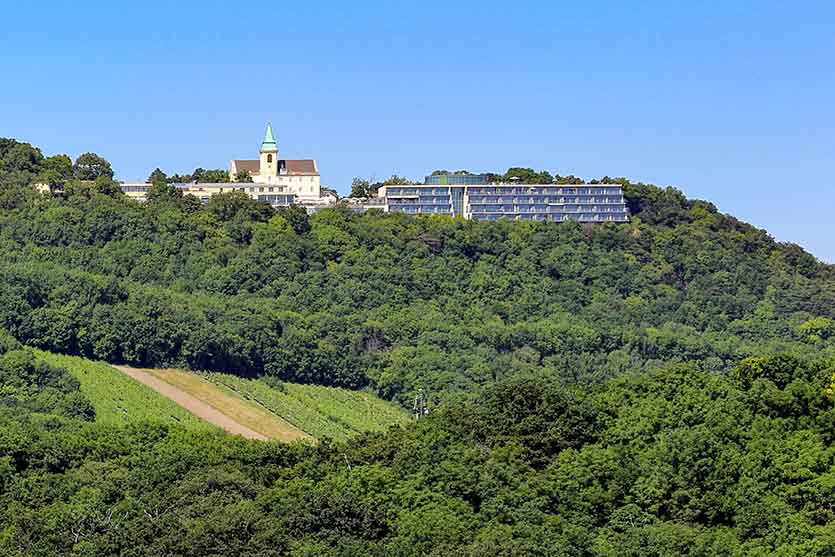
On the 342nd anniversary of the victorious Relief of Vienna, we received a lecture from Father Roman Krekora CR, Rector of the Polish National Sanctuary on Kahlenberg in Vienna. It was from this site that King John III Sobieski set out on September 12, 1683, to lead the Allied forces to the victorious Battle of Vienna.
Read more... Reading time 7 min.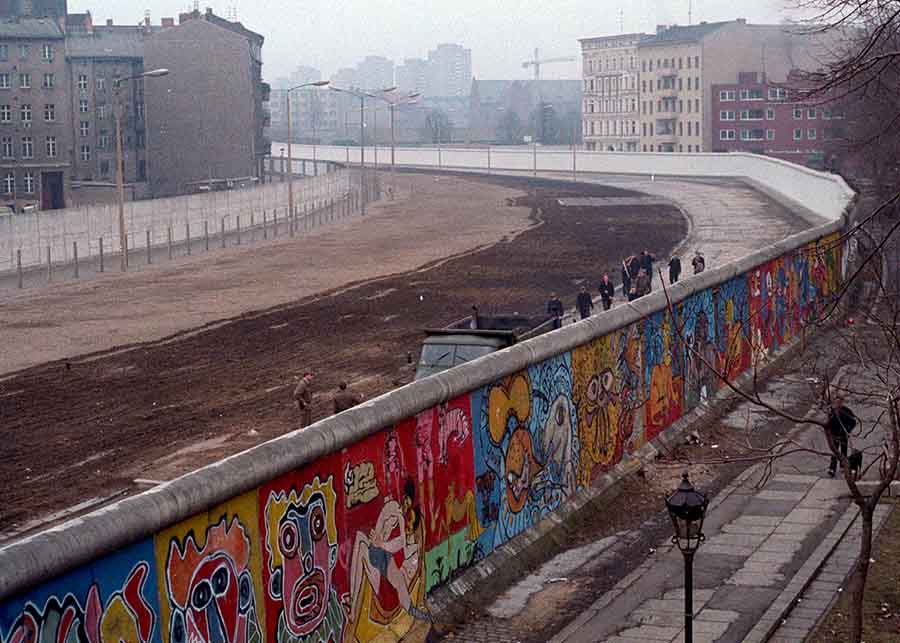
On November 9, 1989, the wall that had divided the world for nearly three decades collapsed. No one imagined that an era would end that evening. Behind that moment, however, lay years of Polish courage, work, and faith in freedom—from Gdańsk to Berlin.
Read more... Reading time 10 min.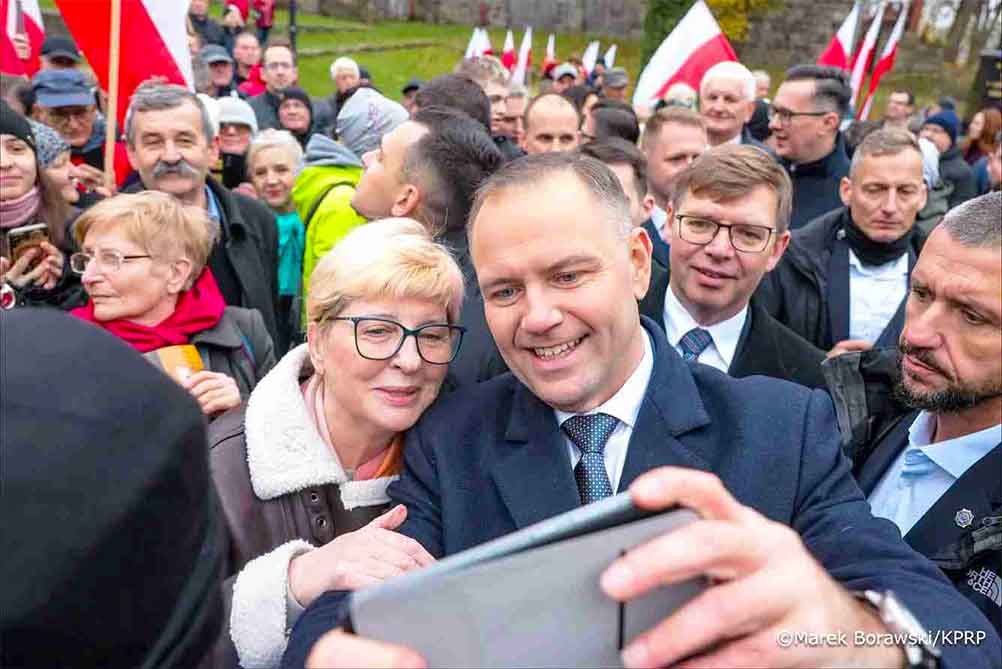
Throughout the 19th and 20th centuries, Poland was truly independent for just over 30 years. The freedom we enjoy today is a greater responsibility for us.
Read more... Reading time 6 min.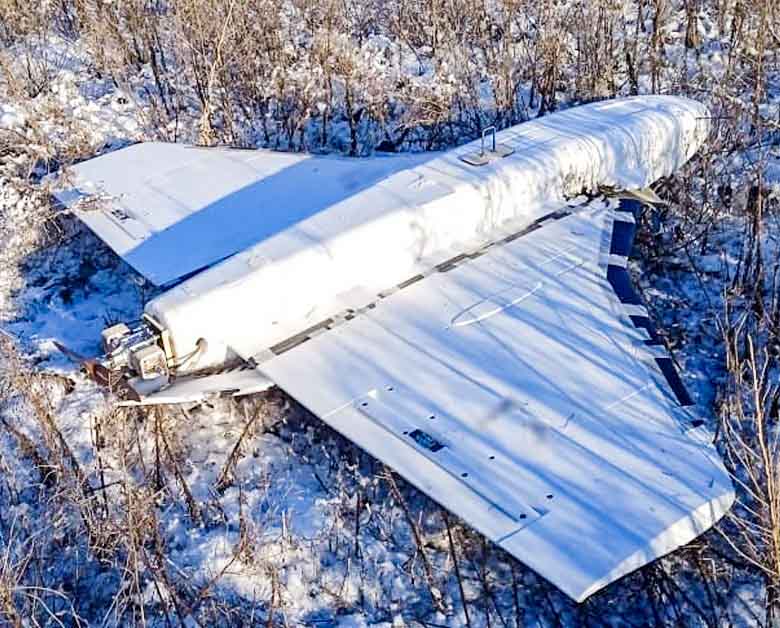
The September raid by over twenty enemy drones on Poland's eastern border revealed how easily inexpensive drones can test the resilience of NATO countries. The incident sparked political tension, media chaos, and prompted the construction of a Polish "drone wall."
Read more... Reading time 13 min.
Today, the Polish diaspora numbers over 20 million people – Poland's "hidden power" beyond its borders. A European diaspora, among the best educated, possessing the capital of the Issuer, labels, and politics. Although available, it remains untapped.
Read more... Reading time 11 min.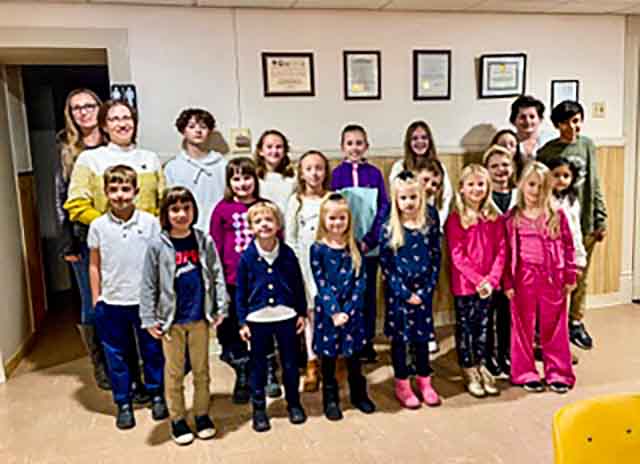
For generations, the Polish community in the US has built its place through language, faith, and education—from powerful Milwaukee parishes to today's more modest Saturday schools, where successive generations continue to learn Polish letters, history, and identity. Initiatives like the revived John Paul II School are becoming the last bastion of Polishness, a space for encounter, community, and hope that tradition will survive in the hearts of the youngest.
Read more... Reading time 7 min.
This year's Nobel Prize in Chemistry rewards... holes. Three scientists—Kitagawa, Robson, and Yaghi—have created metal-organic frameworks (MOFs): materials with enormous internal surface areas that can store gases, filter toxins, and "extract" water from the air. This is a breakthrough that could transform chemistry and environmental technologies.
Read more... Reading time 10 min.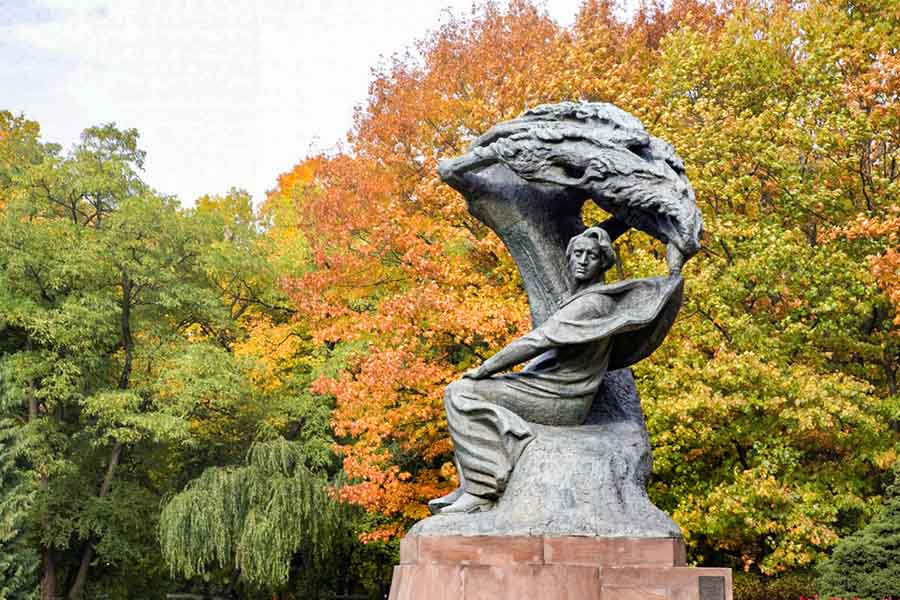
The history of the Chopin Competition tells the story of the birth of a tradition that has survived wars, political turmoil, and technological revolutions, yet has lost none of its magic: it still has the ability to unite millions of listeners, evoke powerful emotions, and discover new talents.
Read more... Reading time 9 min.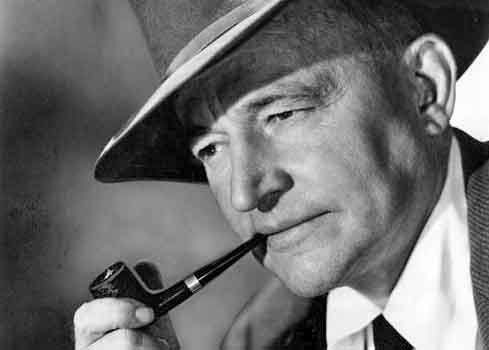
On March 2, 1933, shortly after Franklin D. Roosevelt's inauguration, New York saw the premiere of "King Kong." Few would have guessed that the man who pilots the plane attacking the beast in the film's finale would return to uniform and play a role in two of the most challenging theaters of World War II: China and the Southwest Pacific.
Read more... Reading time 6 min.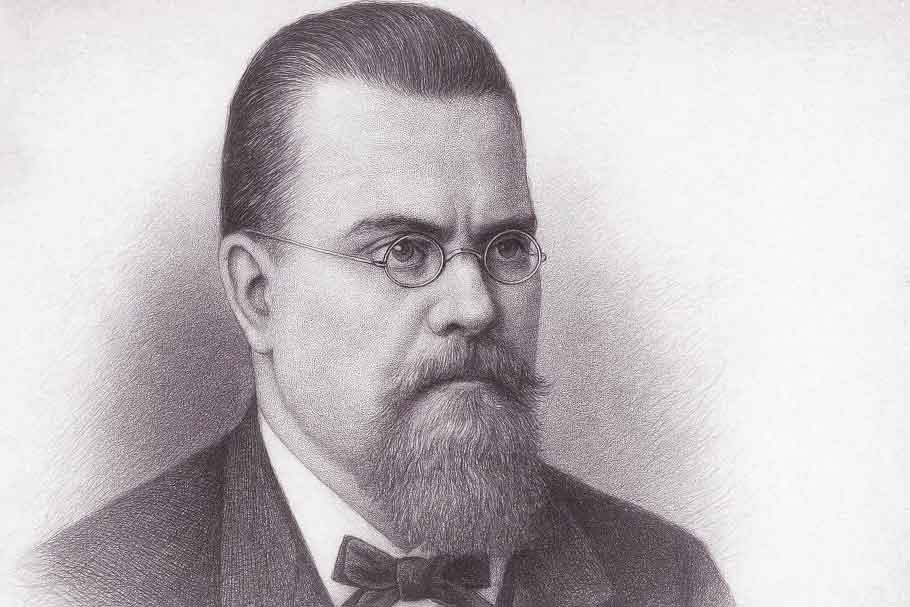
On October 28, 1845, Zygmunt Wróblewski was born, one of the most outstanding Polish physicists, a pioneer of cryogenics, who, together with Karol Olszewski, was the first in history to liquefy the gases constituting the Earth's atmosphere.
Read more... Reading time 4 min.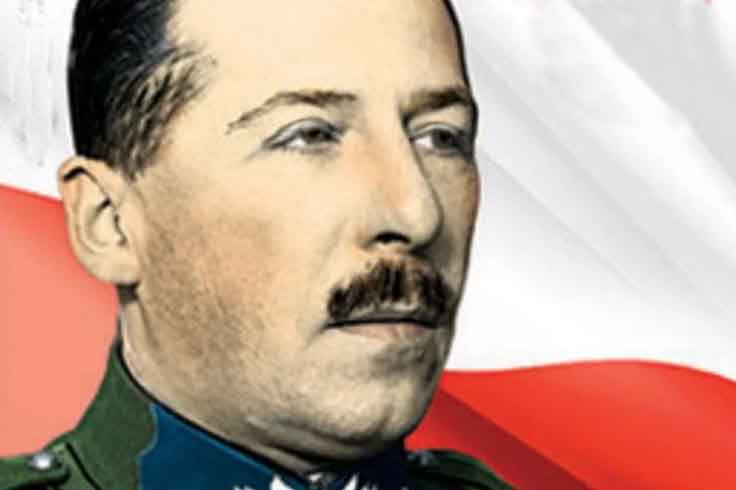
Lisbon – a city of spies, emigrants, and secret couriers. It is here that Jan Kowalewski, a former codebreaker from the 1920s, creates "Continental Action" – a Polish intelligence project intended to dismantle Hitler's alliance from within. He meets Germans, talks with Italians, warns the world about Operation Barbarossa, and fights for a Europe that is beyond saving.
Read more... Reading time 10 min.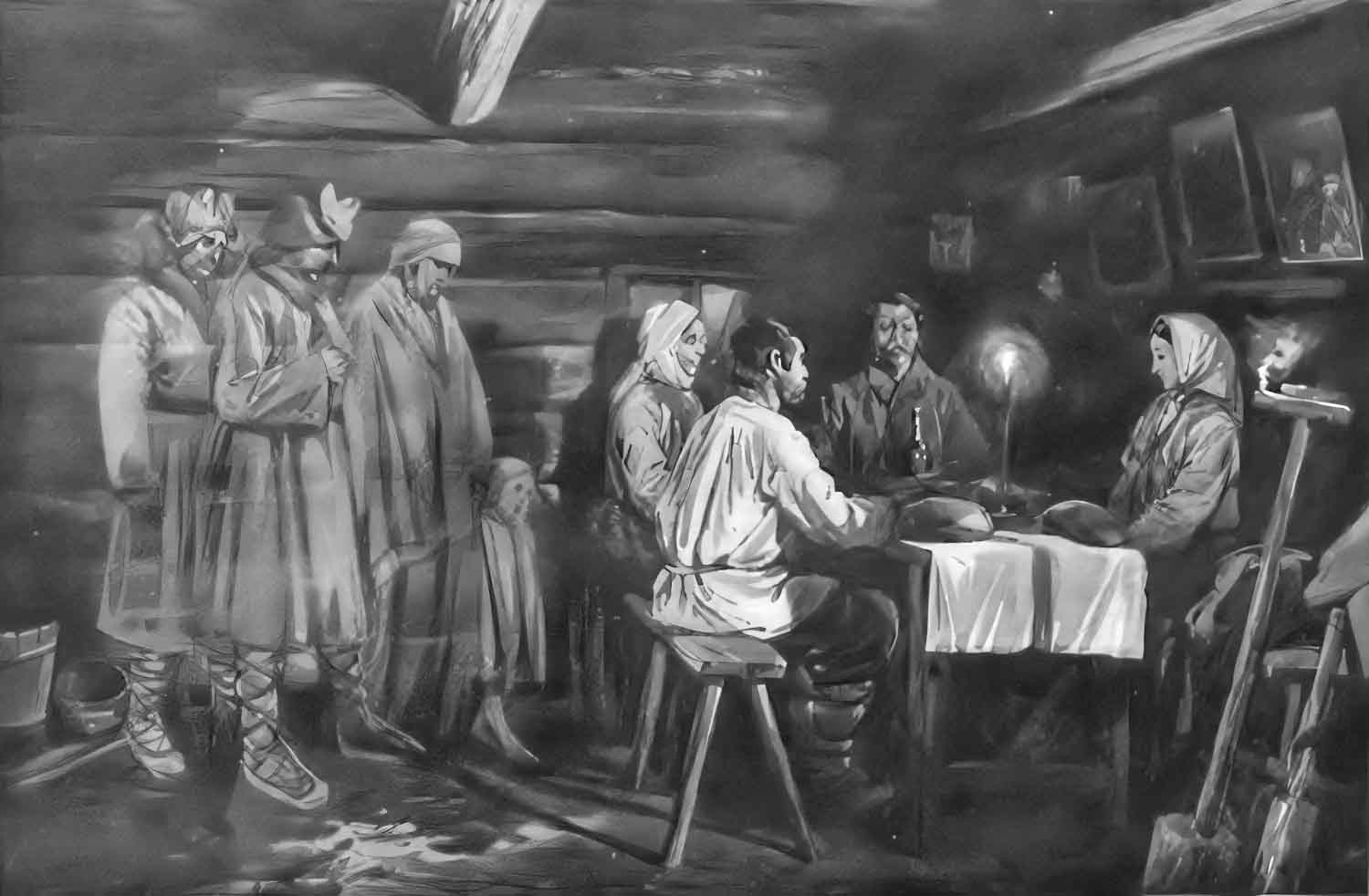
Although Christianity has been alive in Poland since the end of the 10th century, old pagan traditions related to the commemoration of the dead continued to intertwine with the faith in the Risen Christ for a long time.
Read more... Reading time 5 min.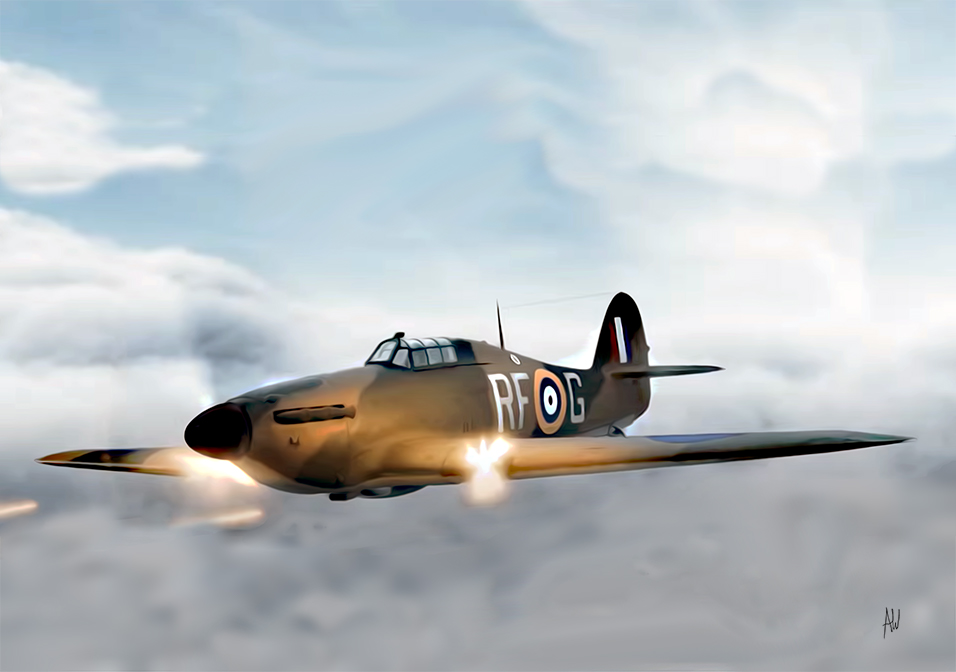
Poles comprised only five percent of the RAF's forces in the Battle of Britain, but they were responsible for over ten percent of all German aircraft shot down. Their courage and effectiveness helped save Britain and changed the course of World War II.
Read more... Reading time 6 min.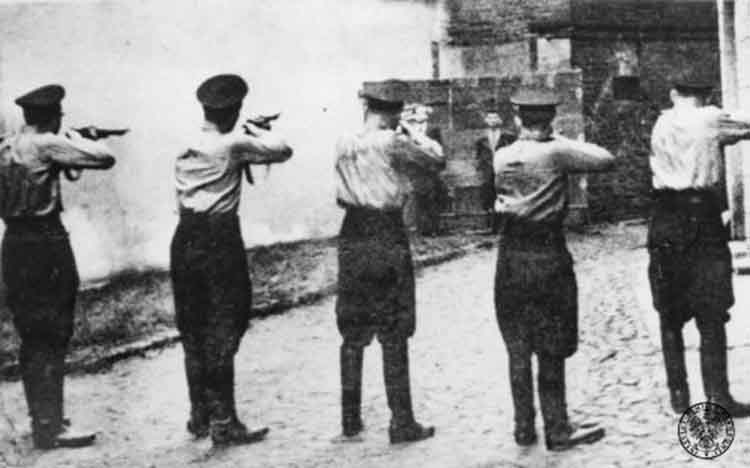
In the autumn of 1939, Pomerania became the site of one of the most forgotten crimes of World War II, as neighbors turned weapons against neighbors and forests were turned into mass graves. "The Pomeranian Massacre"—that's how we now call this tragedy, which for decades remained in the shadow of Katyn. It's a story of human betrayal, planned genocide, and a memory that still cries out for justice.
Read more... Reading time 14 min.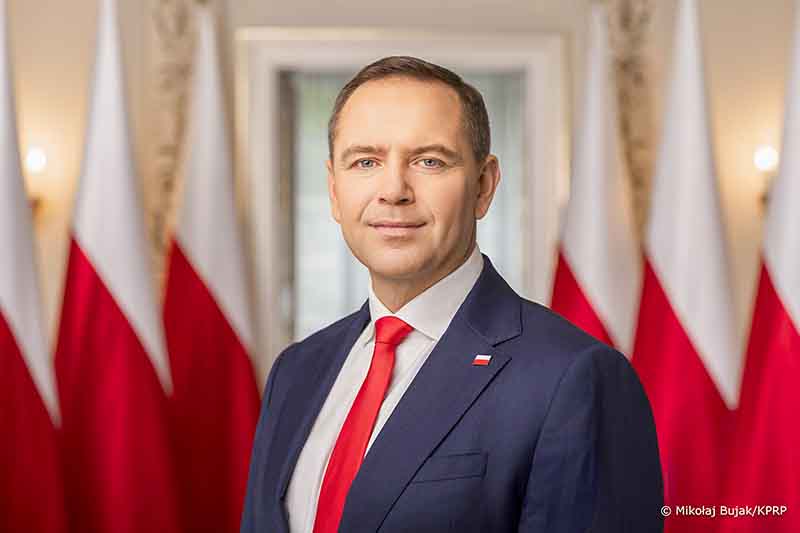
Waldemar Biniecki appeals for the inclusion of the Polish diaspora, especially in America, in Polish public life. He emphasizes its historical contributions and its past marginalization. He calls for reforms—parliamentary representation, the activation of consulates, and cooperation strategies—to harness the diaspora's potential in politics and national defense.
Read more... Reading time 8 min.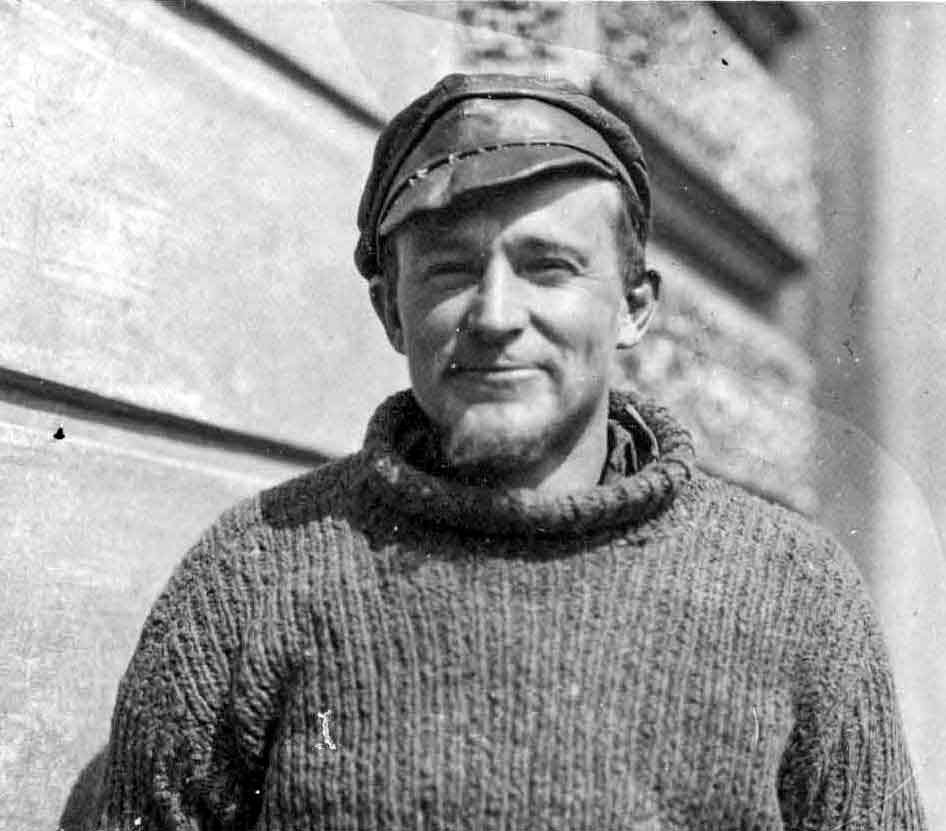
In the collective imagination, "King Kong" is "Beauty and the Beast," the Empire State Building, and machine guns on the wings of a biplane. Few remember that the actor playing the pilot in the 1933 finale was actually an aviator who had nearly died in two wars.
Read more... Reading time 7 min.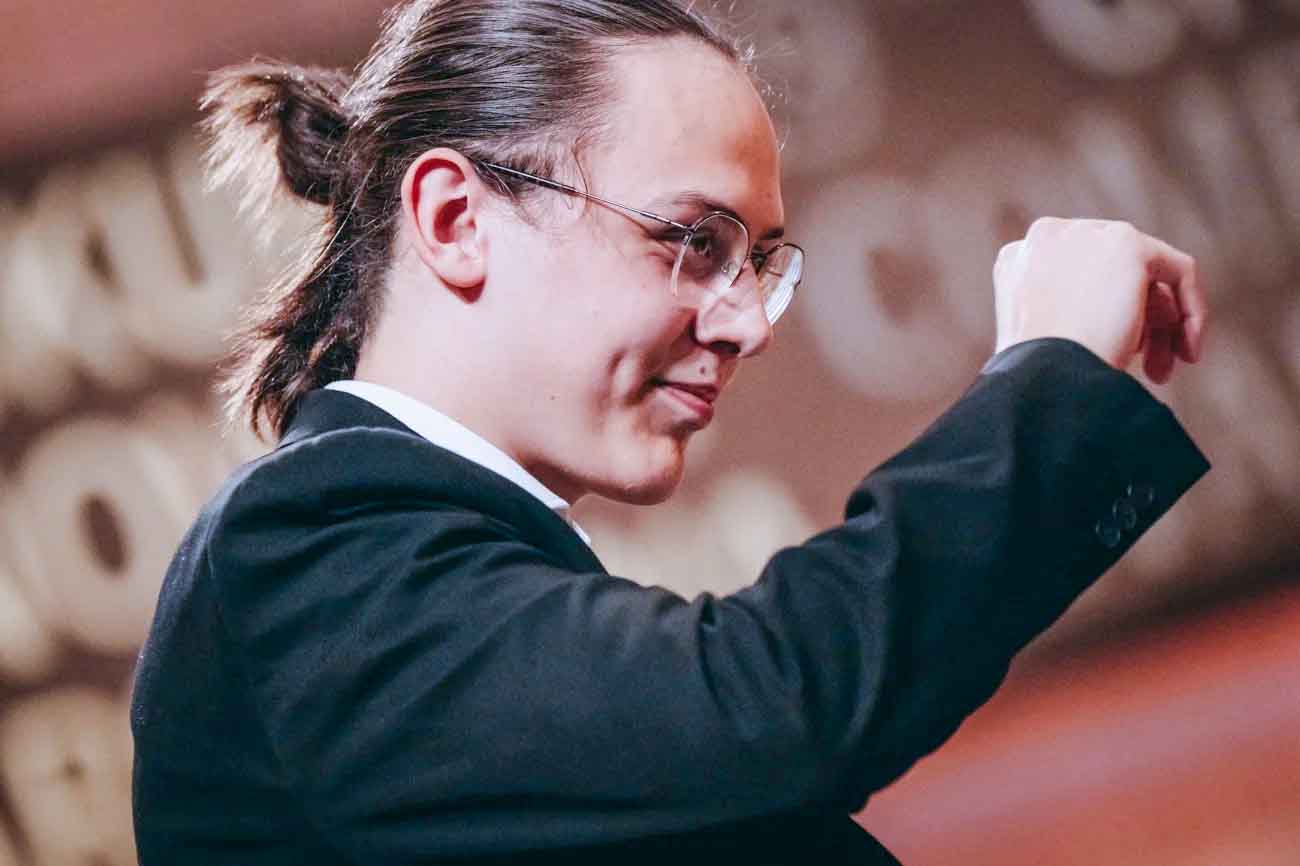
I feel connected to Chopin's Polishness and try to showcase it as fully as possible. The most important thing is not to lose the true Chopin," says Yehuda PROKOPOWICZ, a pianist from Krakow, one of four Poles who advanced to the second stage of the 19th Chopin Competition in Warsaw.
Read more... Reading time 7 min.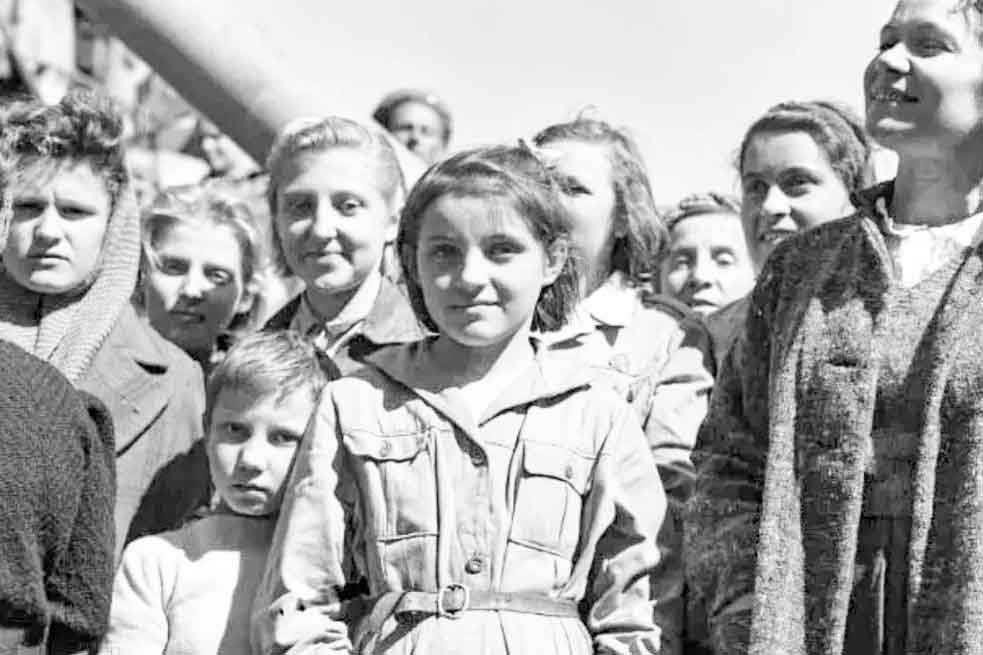
On October 30, 1944, the American transport ship USS General George M. Randall sailed into New Zealand's Wellington Bay. On board were 733 Polish children, along with 105 caregivers, who had managed to escape from Siberia.
Read more... Reading time 5 min.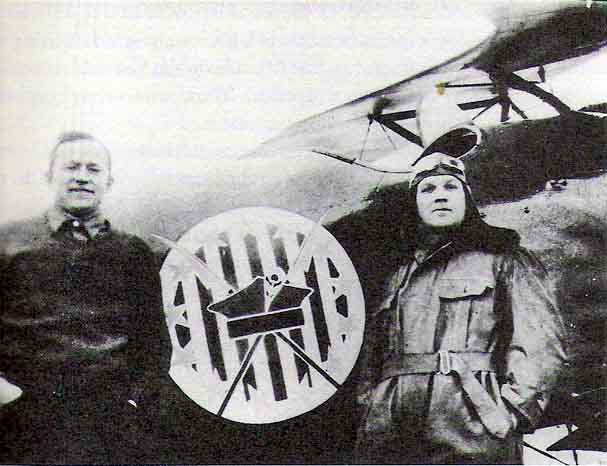
In the summer of 1920, Merian C. Cooper—the future creator of "King Kong," then a pilot in the Kościuszko Squadron—joined the Polish War of Independence. The American pilot from the Old West fought for Poland, saving entire units and earning the Virtuti Militari—and a place in our history.
Read more... Reading time 7 min.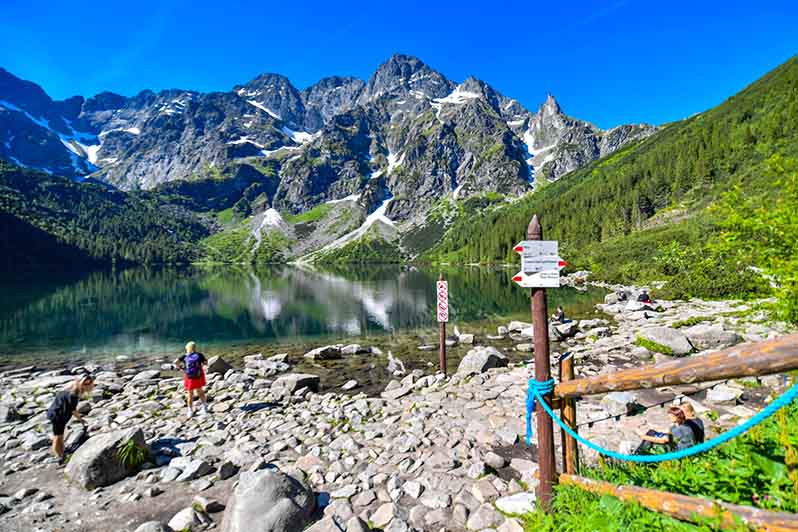
Being in the Tatra Mountains and not seeing Morskie Oko (Eye of the Sea)? Everyone knows this largest mountain lake in Poland. Although getting there requires a several-kilometer hike or a ride in the recently much-criticized horse-drawn carriages, there's probably no one who wouldn't want to see its vibrant colors and the breathtaking panorama of the High Tatras.
Read more... Reading time 4 min.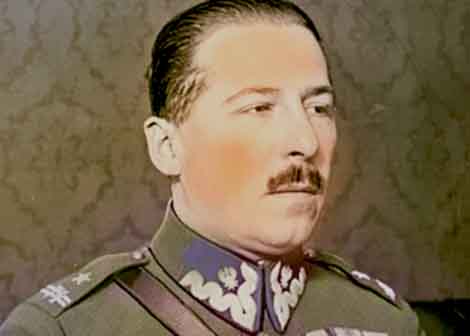
In the shadow of the Battle of Warsaw, a silent hero was born – a chemist from Łódź who, instead of a gun, held a comb and a pencil. Thanks to him, Poland in 1920 knew more about the Red Army's movements than Tukhachevsky himself.
Read more... Reading time 12 min.Support Us!
We are a group of independently-minded Polish-American patriots. Support our efforts to inform, integrate, and unite Polonia and Poland, to promote and defend the good name of Polonia and Poland, and to connect Polonia and Poland into a web of empowerment across the world!Write for Us!

Submit your article proposal. We are always looking for new material!
Waldemar Biniecki
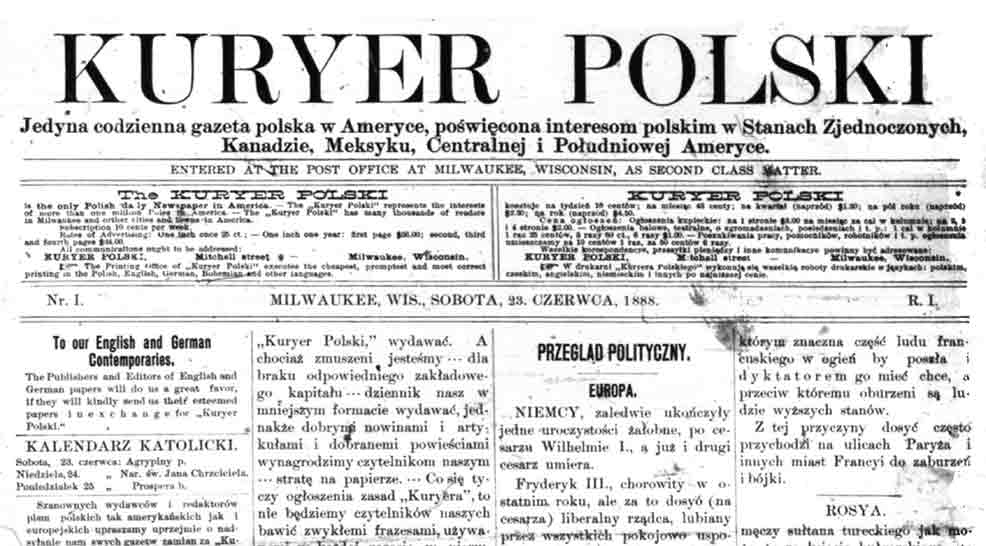
The original Kuryer Polski was the first Polish daily newspaper printed in the United States. Its founder was Michał Kruszka who published the newspaper in June 1888 in Milwaukee, Wisconsin.
Read more...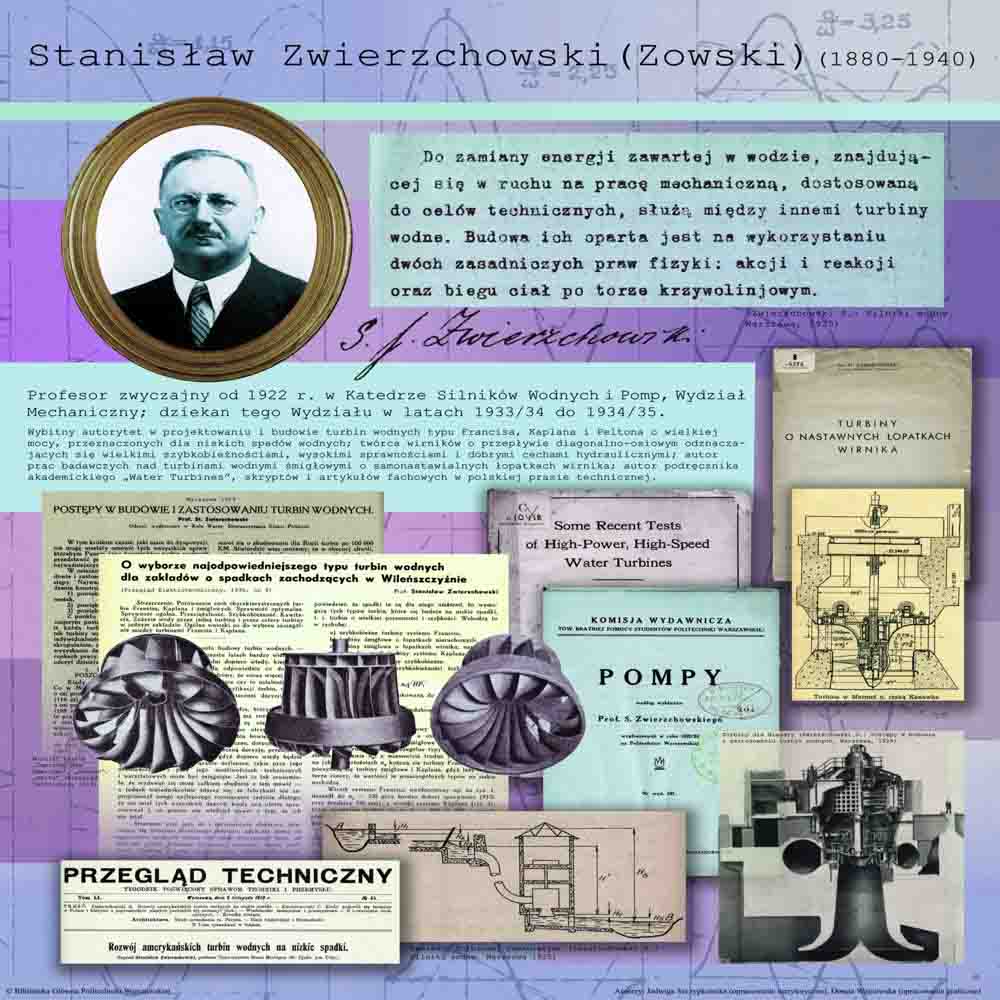
Stanisław Zwierzchowski was born on April 27, 1880 in Śrem in Wielkopolska (Greater Poland), under the Prussian partition. He graduated from gymnasium in his hometown and technical studies in Berlin-Charlottenburg. In 1905. with a mechanical engineering degree, he came to Poznań and did an internship at the Hipolit Cegielski Factory. Following the footsteps of his countrymen, he went to the United States for further studies and quickly found a job as a structural engineer at the Allis Chalmers Co plant in Milwaukee.
Read more...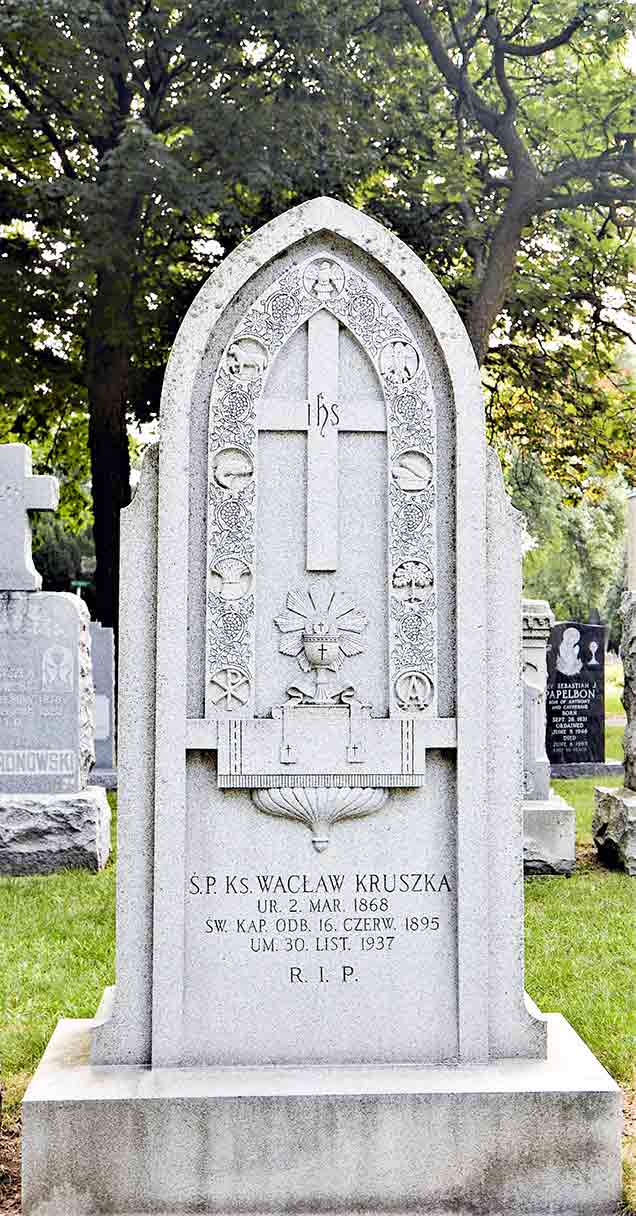
Kuryer Polski was born in hardship and uncertainty, after all, its creator - Michał Kruszka, had already had two unsuccessful publishing attempts behind him. At the beginning of Kuryer's way, Michał was a truly Renaissance figure - the creator and executor of his idea. Soon he was supported in the implementation of his project by two brothers who came from Słabomierz - Józef and Wacław.
Read more...Part I - Michał Kruszka
Katarzyna Murawska
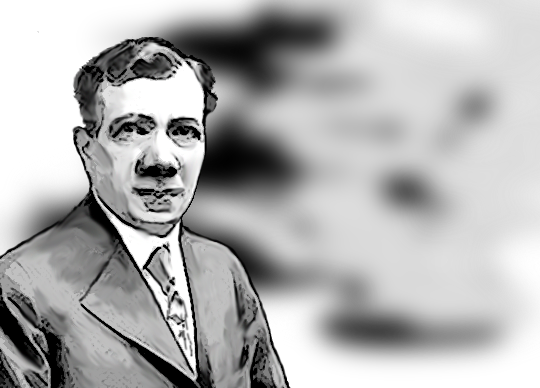
Historical documents confirm that the Polish people have always been associated with America. The list of great Poles who made an impact throughout the history of the United States is long. It begins with the semi-legendary “John of Kolno” who supposedly came to this continent 16 years before Columbus.
Read more...