


Christmas Eve in Poland is more than just dinner: fasting, the wafer, the first star, an empty plate, and twelve dishes all combine to create a ritual that blends faith, ancient superstitions, and familial tenderness. Where do these customs come from, how do they differ from region to region, and why do they taste even more intense in exile?
Read more... Reading time 18 min.
The Polish diaspora possesses billions of dollars in capital, knowledge, and influence, which Poland has failed to capitalize on for years. A lack of stable institutions, trust, and professional tools block the inflow of investment. The presented strategy demonstrates how to transform the diaspora into a viable partner in the country's development.
Read more... Reading time 11 min.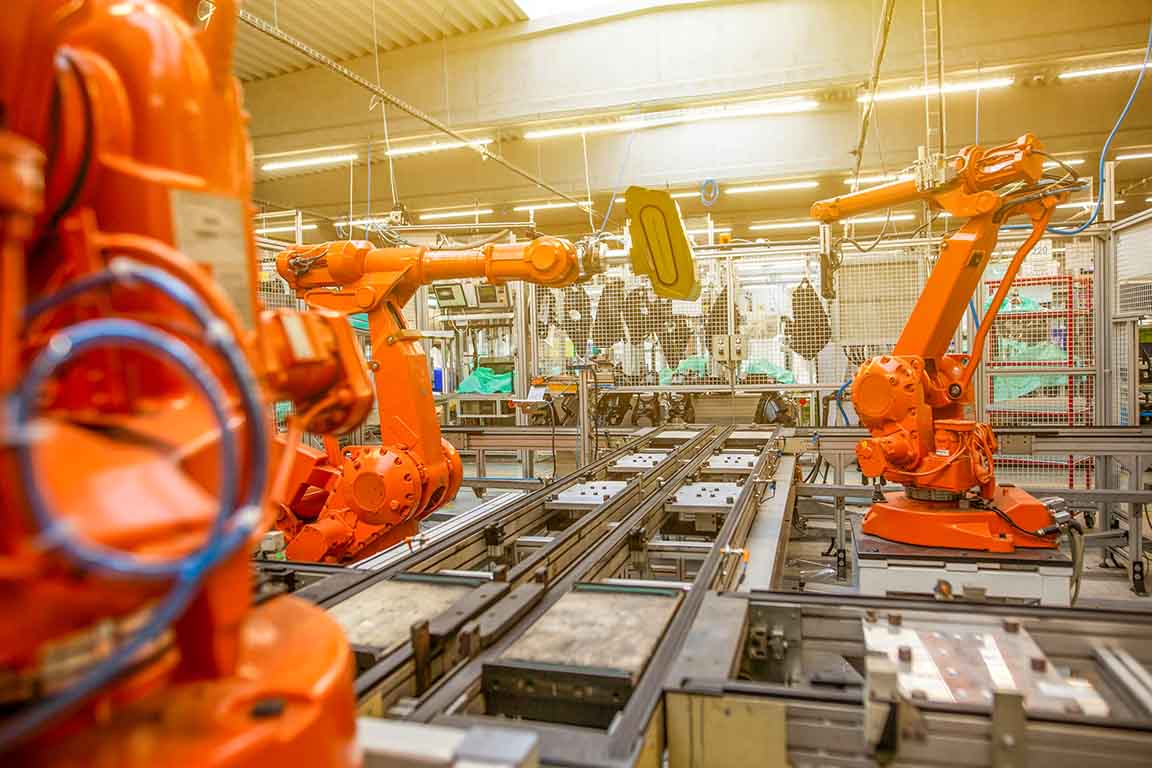
Why the industrial comeback and tariff wars won't undo the effects of 1990s globalization. We connect deindustrialization, the "China Shock," AI, and geopolitics to reveal a new, more fragmented trade order and debunk the illusion of a straightforward return of old jobs.
Read more... Reading time 11 min.
Donald Trump's tariff wars evoke strong emotions and dangerous historical analogies, but their meaning is ambiguous. The text demonstrates that tariffs are part of a deeper shift in the global trade order, great-power rivalry, and the US's strategic game in the era of the decline of the old globalization.
Read more... Reading time 7 min.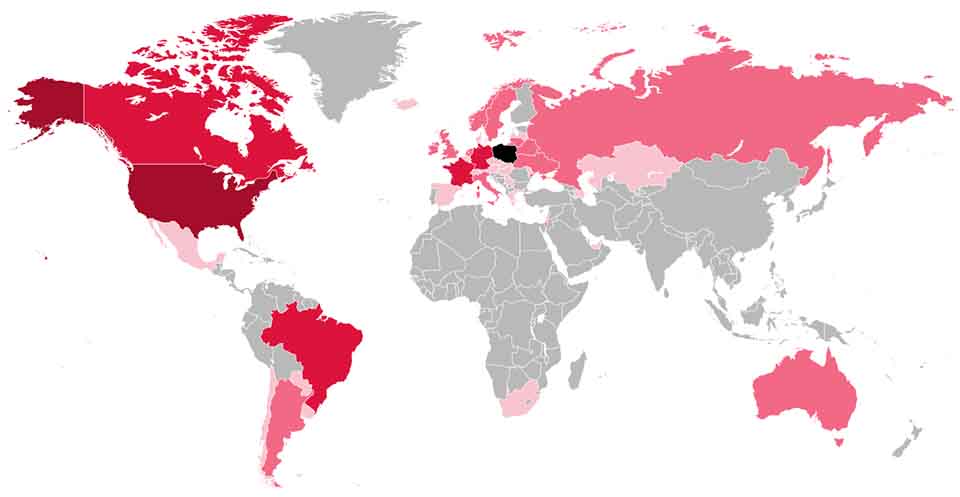
The Polish diaspora, numbering over 20 million people, represents a huge, yet currently marginalized, potential for the state. Why did the Polish diaspora disappear from public debate after 1989, and what systemic barriers block its real participation in Poland's politics, economy, and diplomacy?
Read more... Reading time 6 min.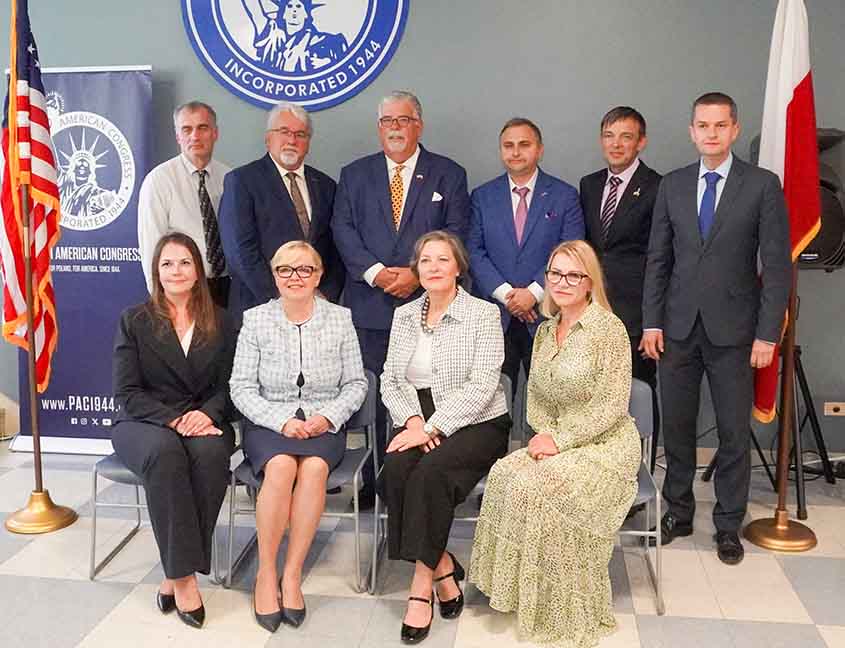
In light of Paderewski's historic words and the challenges of today, the Polish American Congress faces the need for profound modernization and a re-establishment of its role. The presented strategy points the way for renewal—from digitalization and professionalization to new leadership and effective representation of the interests of the Polish community in the United States.
Read more... Reading time 6 min.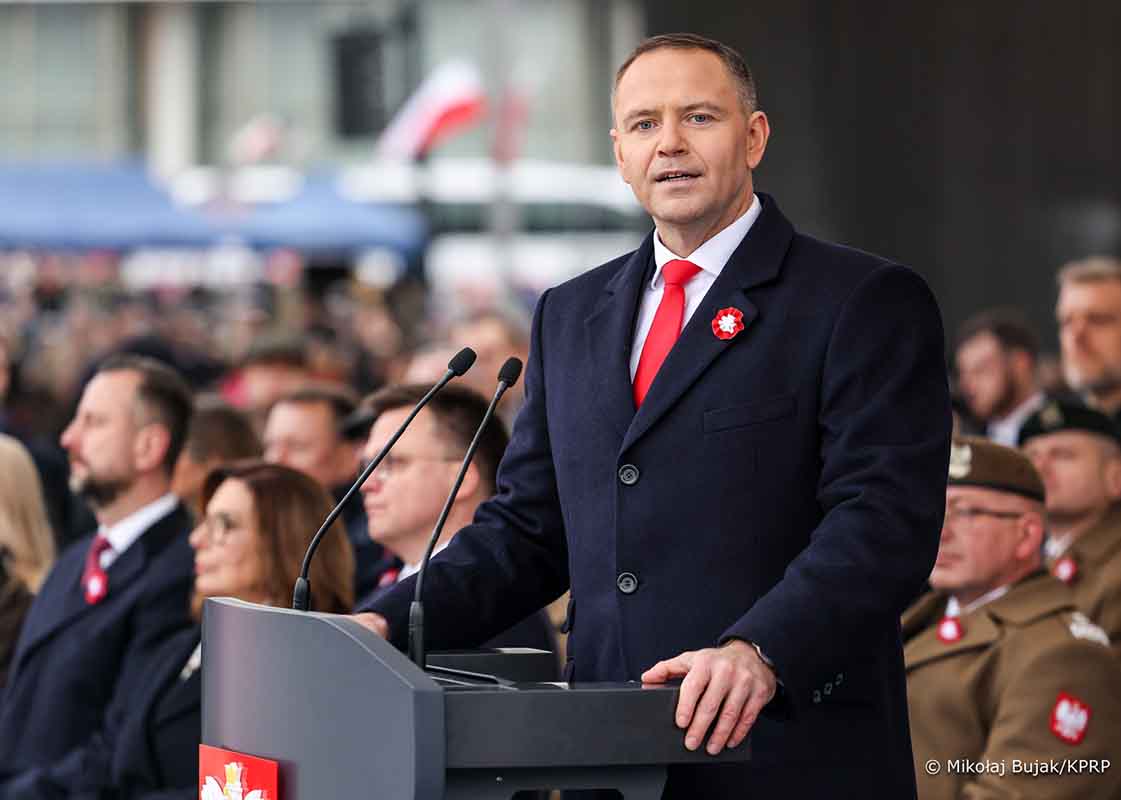
November 11th is a reminder that Polish independence was born through the efforts of many generations – at home and abroad. It is a story of memory, sacrifice, and pride, of the Tomb of the Unknown Soldier, and of the Polish diaspora, which from America to Europe, supported the rebirth of a free Poland.
Read more... Reading time 5 min.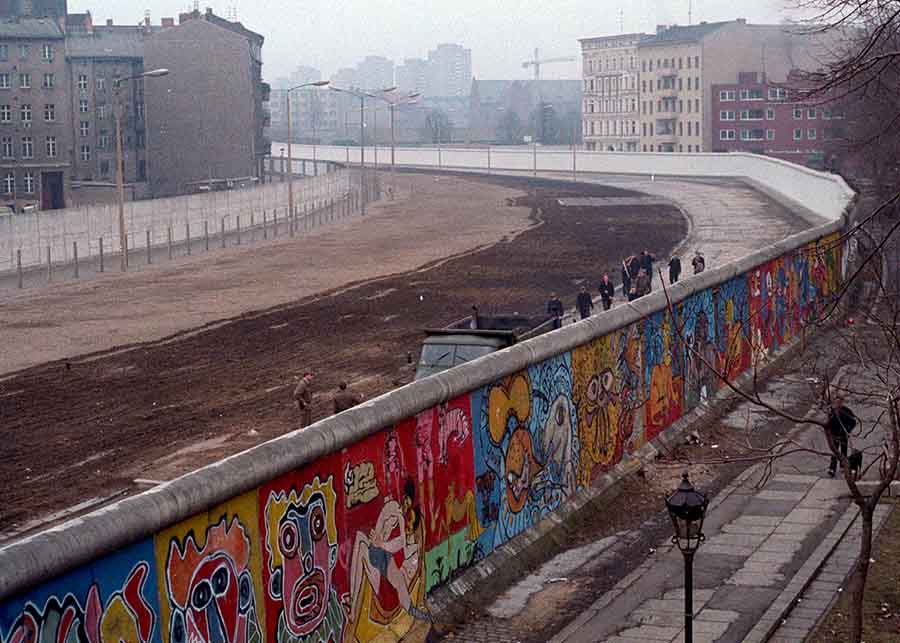
On November 9, 1989, the wall that had divided the world for nearly three decades collapsed. No one imagined that an era would end that evening. Behind that moment, however, lay years of Polish courage, work, and faith in freedom—from Gdańsk to Berlin.
Read more... Reading time 10 min.
Today, the Polish diaspora numbers over 20 million people – Poland's "hidden power" beyond its borders. A European diaspora, among the best educated, possessing the capital of the Issuer, labels, and politics. Although available, it remains untapped.
Read more... Reading time 11 min.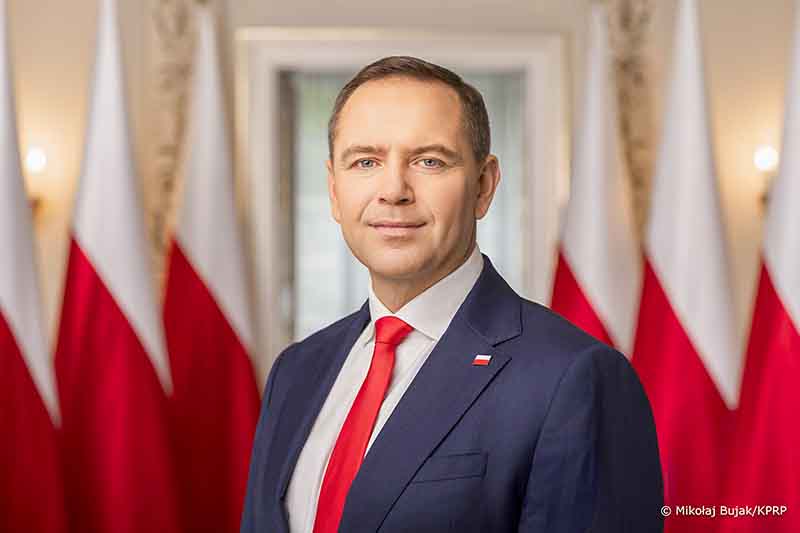
Waldemar Biniecki appeals for the inclusion of the Polish diaspora, especially in America, in Polish public life. He emphasizes its historical contributions and its past marginalization. He calls for reforms—parliamentary representation, the activation of consulates, and cooperation strategies—to harness the diaspora's potential in politics and national defense.
Read more... Reading time 8 min.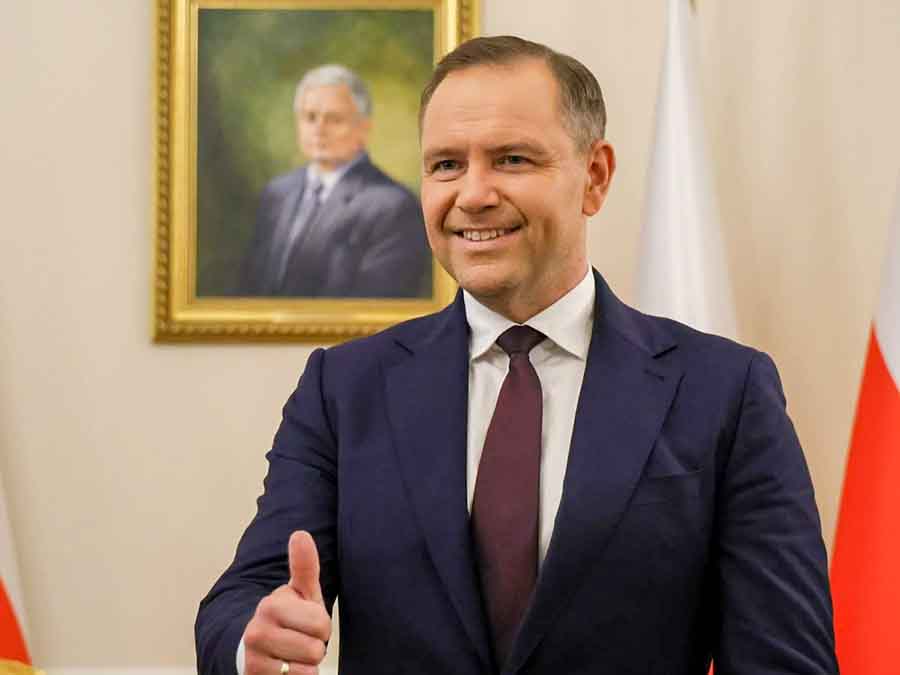
Waldemar Biniecki appeals for the inclusion of the Polish diaspora, especially in America, in Polish public life. He emphasizes its historical contributions and its past marginalization. He calls for reforms—parliamentary representation, the activation of consulates, and cooperation strategies—to harness the diaspora's potential in politics and national defense.
Read more... Reading time 7 min.