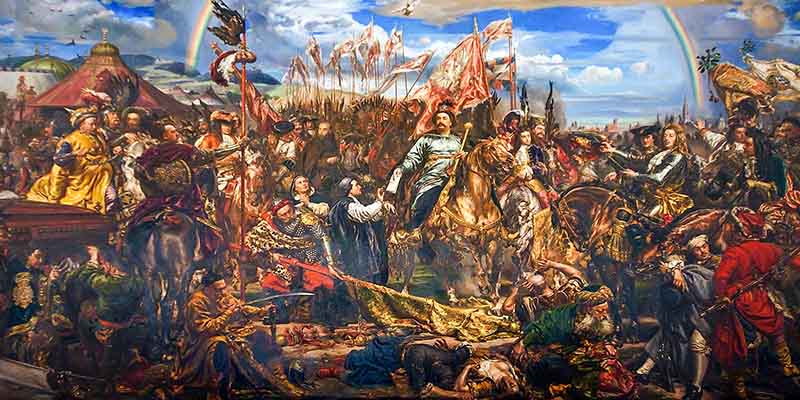
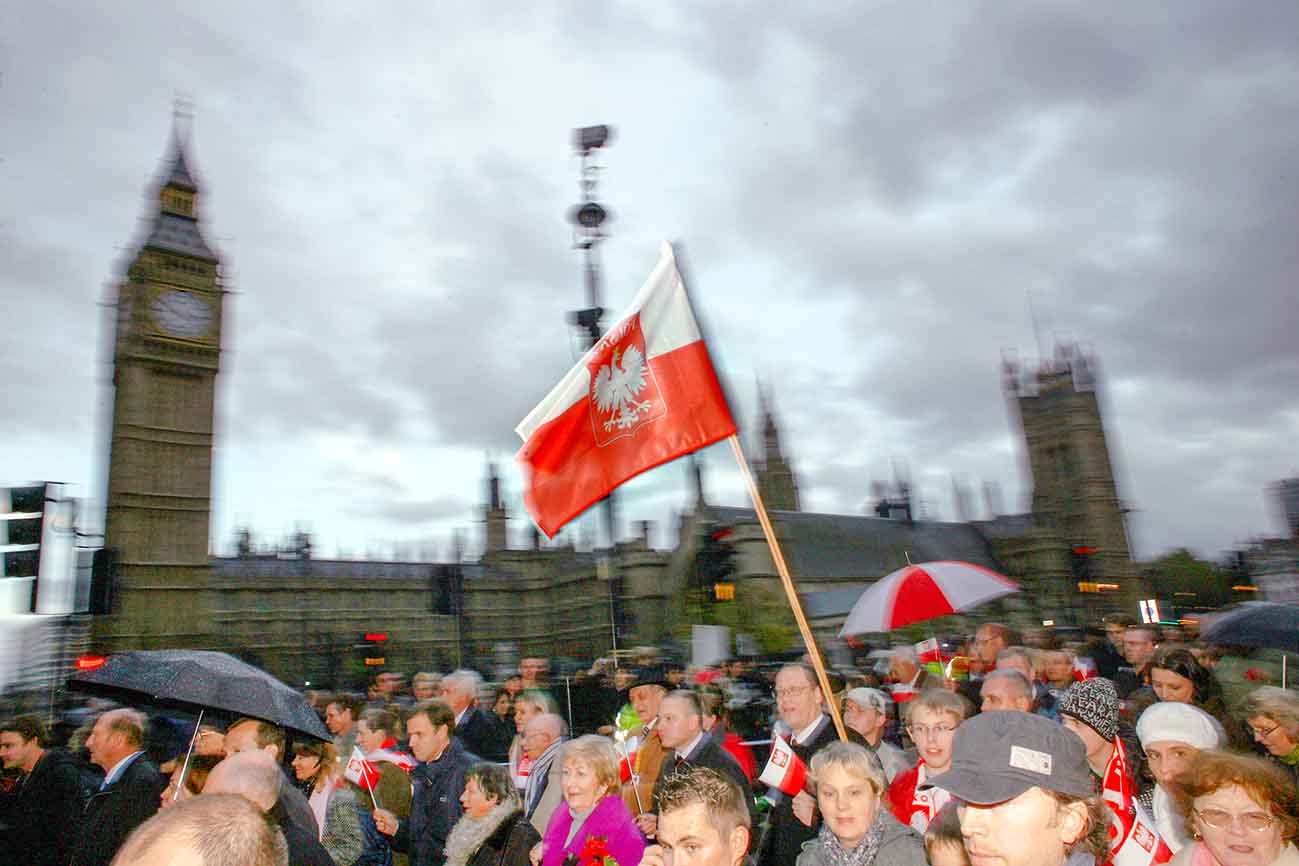
"To properly understand the latest, it's essential to know what came before. History is the teacher of life – that's simply how it is, whether someone wants it or not," emphasizes Professor Andrzej Nowak in a fascinating, pre-premiere interview with Leszek Sosnowski for the monthly "Wpis" (issue 10/2025). "Whoever doesn't listen to this teacher, doesn't use her knowledge, is lost" – these words are the perfect encouragement to read the next installment of Professor Andrzej Nowak's great, epoch-making work, long awaited by hundreds of thousands of Poles – the seventh volume of the monumental "History of Poland" series, now available on the market thanks to Biały Kruk publishing house. It's a fascinating story about the era of John III Sobieski and the Saxon times, subtitled "Fall and Rise," covering the years 1673–1763. Professor Andrzej Nowak, an outstanding historian, publicist, and world-class erudite, presents in a fascinating and insightful way the victories, crises, and spiritual strength that allowed Poland to survive.
The premiere of the 7th volume of "History of Poland" on November 22, 2025 in the "Sokół" Room in Krakow, at 27 Marszałka Piłsudskiego Street. The event was hosted by editor Anna Popek.
After the death of John III Sobieski, a more difficult period begins – Swedish (again), Saxon, Russian, and then Prussian troops sweep through our lands. Their marches leave behind ruins and famine. Stanisław Leszczyński is twice elected king, but he is forced to flee his homeland, and the throne is seized by a representative of the alien German Wettin dynasty, Augustus III, thanks to tsarist soldiers.
The country is sinking into crisis: the Commonwealth's neighbors are forming secret alliances aimed at preserving all the so-called freedoms that are destroying our country. Not only is free election degenerating, but unfortunately, so is the institution of the Sejm; the liberum veto in the 18th century is revealing its truly destructive power. Of the 16 Sejms convened under Augustus III, 15 were disrupted! Magnate families are creating states within states, ultimately entering the service of neighboring empires. The famous saying "eat, drink, and loosen your belt" doesn't fully capture the bitter picture of the era – society lives in poverty, and state institutions and the military are practically disappearing.
Despite its downfalls, Poland continues to rise. The nation's strength, identity, and commitment to tradition and freedom became a spiritual anchor, allowing it to survive the most difficult times. They offered hope for reconstruction and reform, demonstrating that the true power of a state lies not in its army or treasury, but above all in its spirit and fidelity to shared values.
The latest, seventh volume of History of Poland is well worth reading. Like all its predecessors, it combines a compelling narrative with solid historical insight. Continuing the coherent narrative of the Polish-Lithuanian Commonwealth, Professor Andrzej Nowak provides a thorough analysis of the dramatic events of the 17th and 18th centuries, providing a deeper understanding of the continuity and mechanisms of change in the country's history.
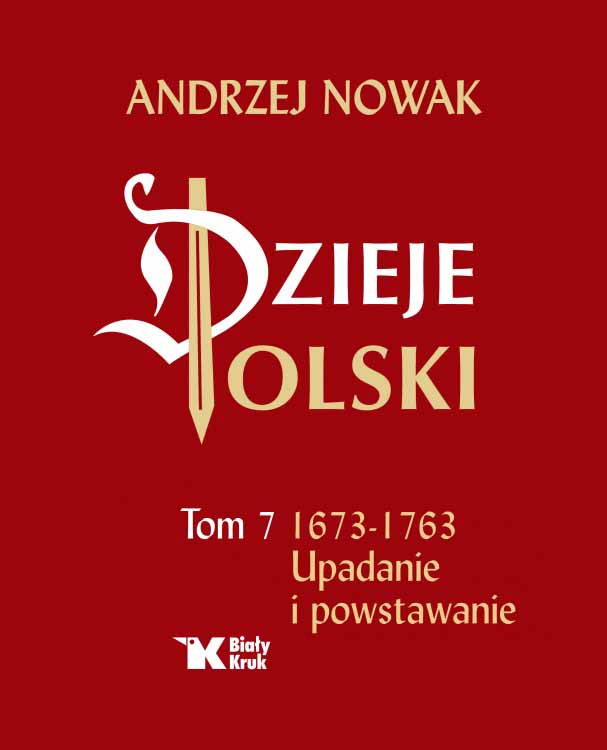
Cover of History of Poland, Volume VII by Andrzej Nowak. (Source: Biały Kruk)
Professor Andrzej Nowak's monumental work—the entire series—is a unique, comprehensive compendium of the history of the Polish-Lithuanian Commonwealth, combining erudition with an accessible style. Thanks to the efforts of Biały Kruk Publishing House, this latest volume, like its predecessors, is published in a beautiful, richly illustrated hardcover edition, prepared with the highest editorial standards, making it not only intellectually valuable but also exceptionally visually appealing.
Translation from Polish by Andrew Wozniewicz.