


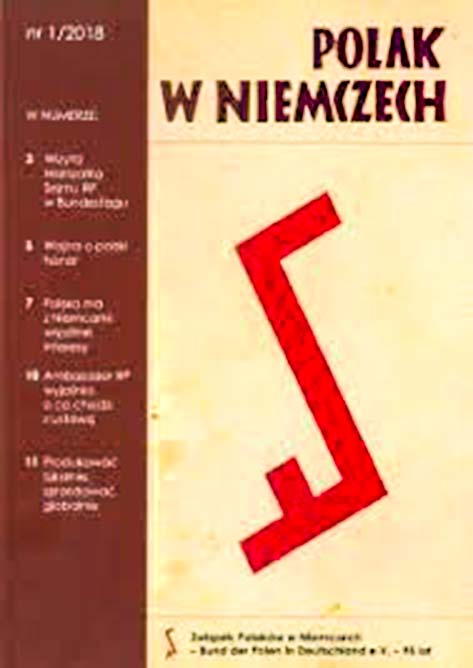
The Polish-language media in Germany are already, as Germans call them — indicating their age of 131 years — "old". They were organized by political, military and economic emigrants, as well as the people who had chosen to settle outside Poland. They (the media) were an element and expression of identity and culture-creating activities of various Polish communities and emigrants. Their content were and are the phenomena that existed on the border of two cultures: Polish and German.
Read more...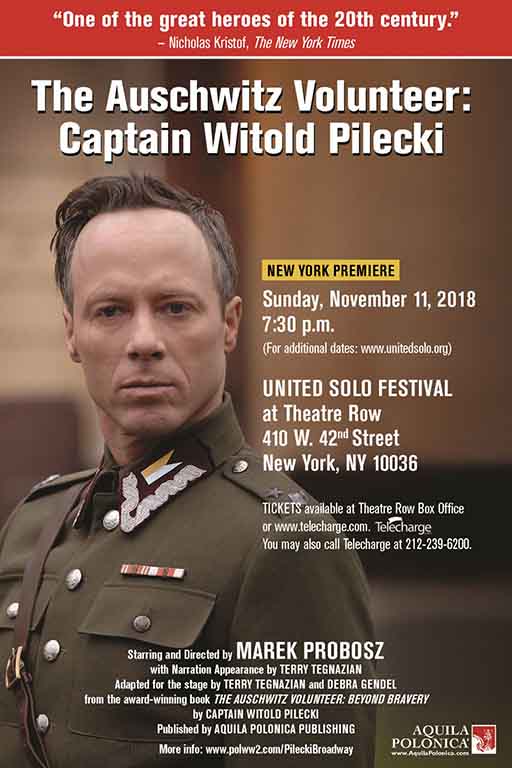
Kuryer Polski would like to introduce you to a certain Pole, Marek Probosz, living in California, who — with great success — alone and without anyone's help, introduces America to "one of the greatest heroes of the 20th century", as The New York Times wrote, to Captain Witold Pilecki.
Read more...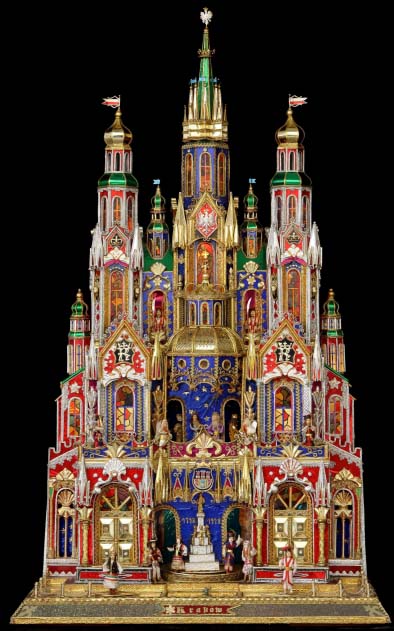
The nativity scene (pol. szopka), as the father prelate Michał Słowikowski from Lublin used to say, "...is a kind of sacred scene that primarily represents the Holy Family and everything that happened in Bethlehem..."
Read more...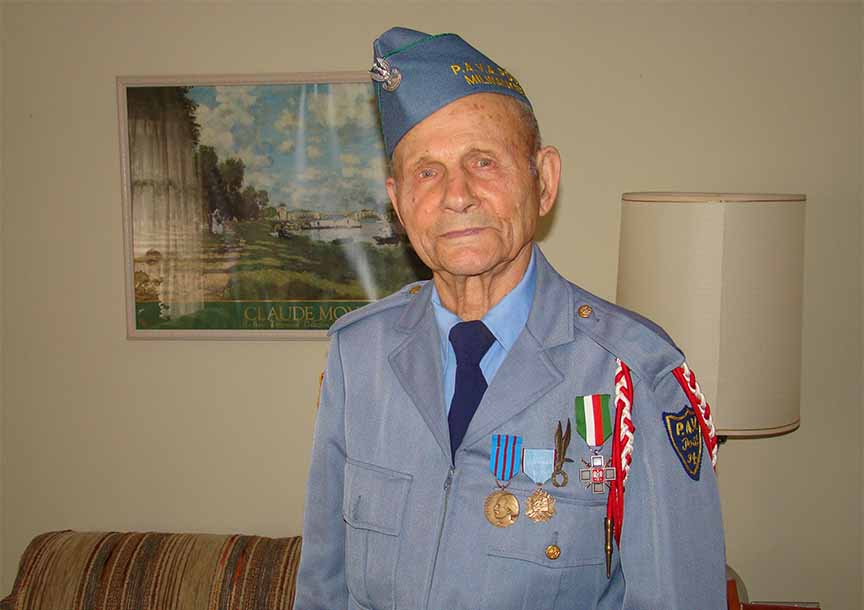
One of the heroes is definitely Tadeusz Cisek - Siberia-veteran, paratrooper of General Stanisław Sosabowski's Independent Brigade, soldier of the Polish Armed Forces in the West, commander of the 94th SWAP outpost in Milwaukee, member of the Polish American Congress, Polish community activist. He passed away on December 8, 2021, at the age of 98. His fate is an individual record of Polish history after regaining independence in 1918.
Read more...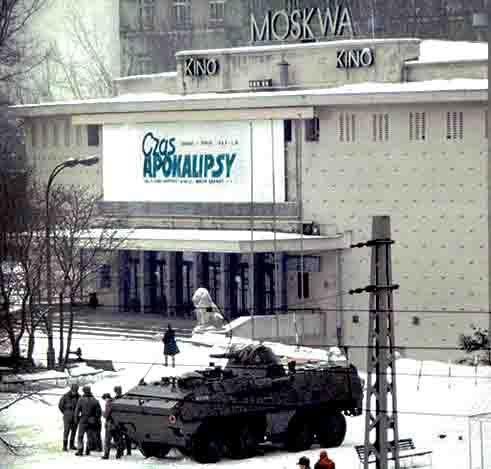
In a few days, we are celebrating the 40th anniversary of the introduction of the so-called Martial Law — the unconstitutional and (even according to the law of the time) illegal military coup, which was supposed to put an end to the operation of "Solidarity" — a political and social freedom movement under the aegis of an independent trade union. The purpose of the imposition of martial law was to restore the existing social system and thus consolidate the pro-Soviet, communist power in Poland for an indefinite period.
Read more...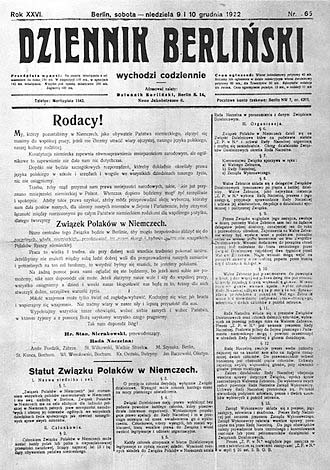
Dziennik, as a Polish diaspora newspaper, was the daily paper for Poles in Germany. It served informational purposes as well as cultural and social integration of the Polish population dispersed in Berlin. During World War I and re-emigration, it became a source of information about the social situation of compatriots in the area of the reborn Polish state and the organizational condition of the Polish population in Germany. It constantly reported on international and economic matters of Poland. Young Poles who lived and studied in Berlin assisted in editing it. They presented national views on its pages.
Read more...
After the third partition, the area of the seized Polish lands constituted more than half of the territory of Prussia, while Poles constituted almost half of its population. Since then, for 123 years, until 1918, Poland did not exist as a sovereign state.
Read more...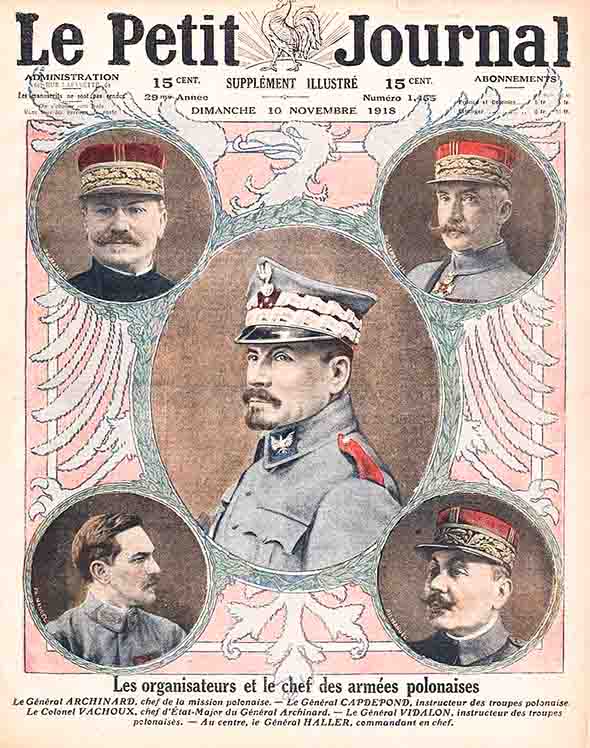
Although there are no witnesses to this history anymore, substantial American archives remain, however, which allow to extract the truth about the great patriotism of over 20,000 soldiers and the entire army of involved civilians, Polish community activists who, together with the volunteers, devoted themselves to creating a great and strong, free and independent Poland, and for whom we should also ensure a worthy place in our historical memory.
Read more...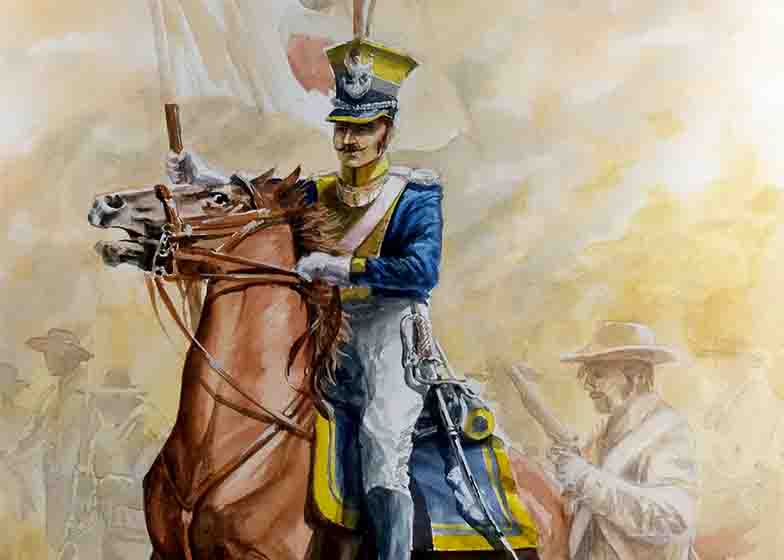
The history of Polish Texans is not very well known. Very few people among the Polish diaspora realize that Texas was the first landing place for Polish refugees escaping the hardships after the November Uprising of 1830; also the site of the first Polish settlement in America; the first home for a Polish Catholic church and parishes on the continent; and the location of the first Polish-language school.
Read more...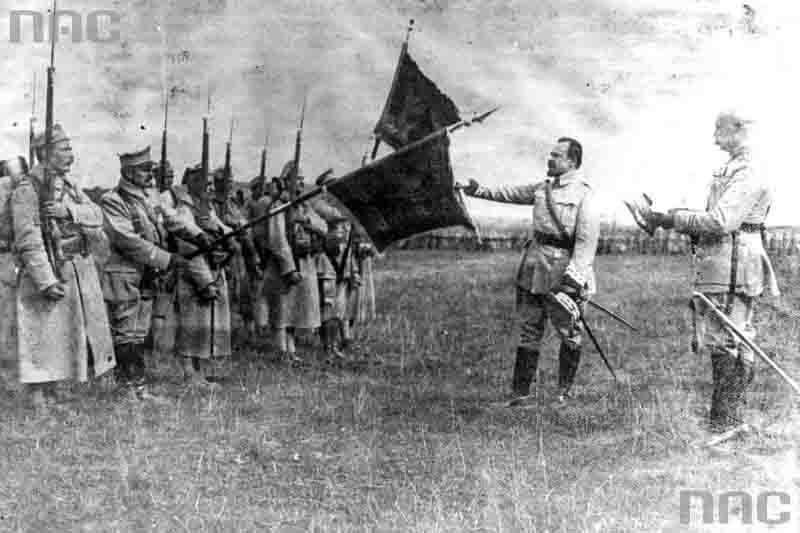
The celebration of Independence forces us all to reflect. It forces us to analyze the facts: what has been done to fix Poland and what has not. Many activities after 1989 are still in doubt.
Read more...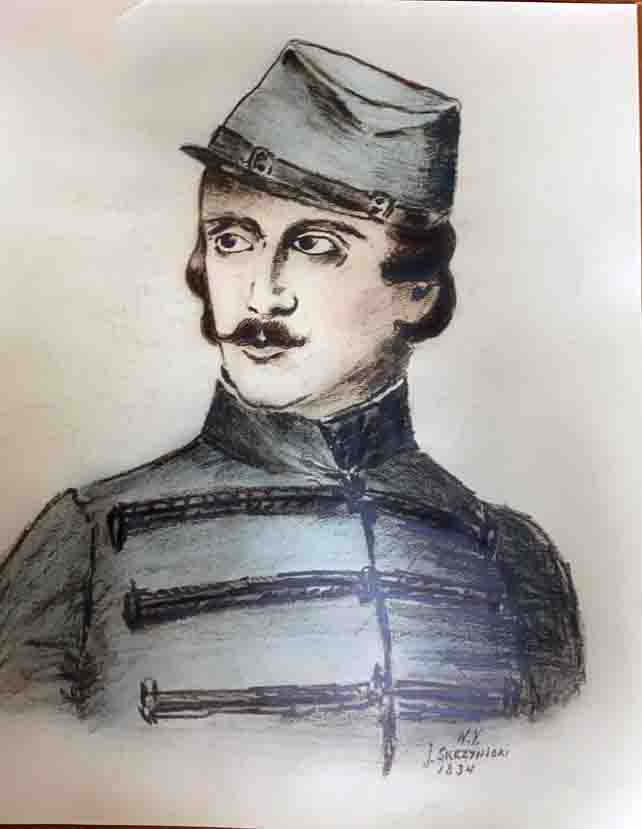
In 1936, on the 100th anniversary of the Texas Declaration of Independence, the January 1936 Texas Centennial Exposition Bulletin stated: "In the Hall of Heroes of this Texas Hall of State, at the opening of the Centennial Exposition in Dallas on June 6, Felix Wardziński's name will be inscribed along with with the name of Sam Houston, the liberator, and Stephen F. Austin, the colonizer and father of the Lone Star Empire. "
Read more...Wojciech Materski
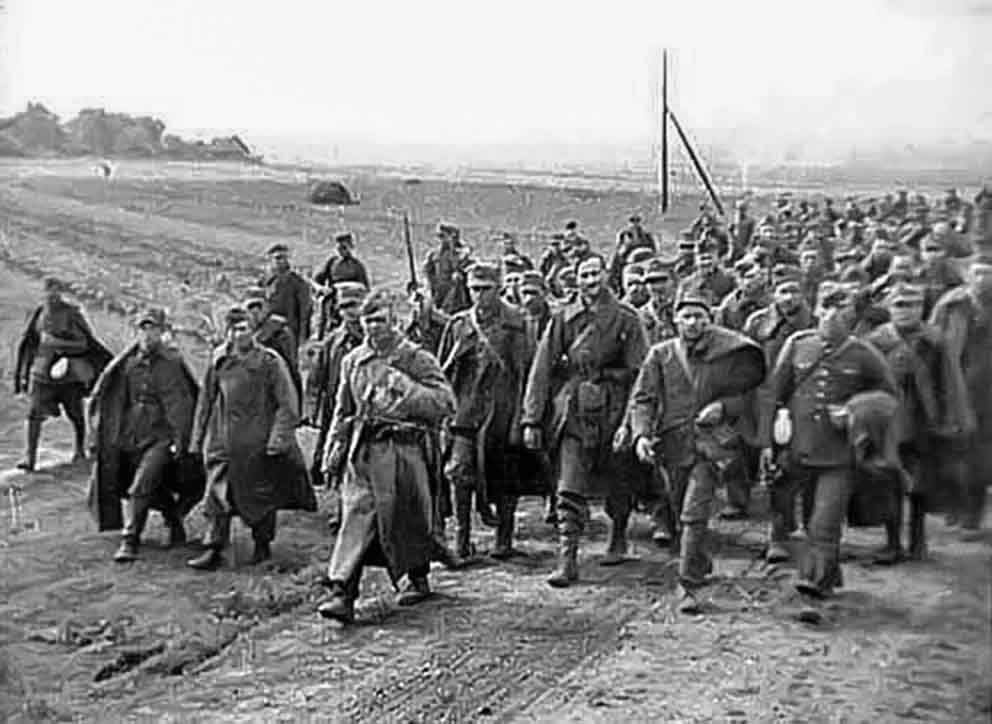
Although Russia has officially acknowledged the perpetration of the Katyn massacre, this truth is virtually absent from Russian historiography today. For it does not fit into the myth of the great victory of the war, any more than the Hitler-Stalin pact of 1939, the mass deportations, the enslavement of the Baltic republics, or the colossal scale of the Red Army's marauding in the final phase of the Second World War.
Read more...