


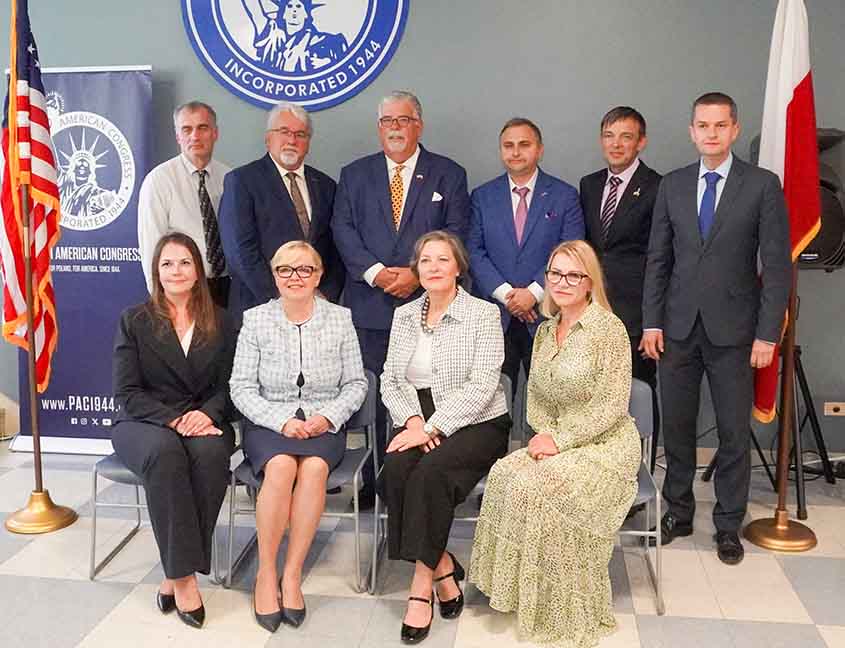
In light of Paderewski's historic words and the challenges of today, the Polish American Congress faces the need for profound modernization and a re-establishment of its role. The presented strategy points the way for renewal—from digitalization and professionalization to new leadership and effective representation of the interests of the Polish community in the United States.
Read more... Reading time 6 min.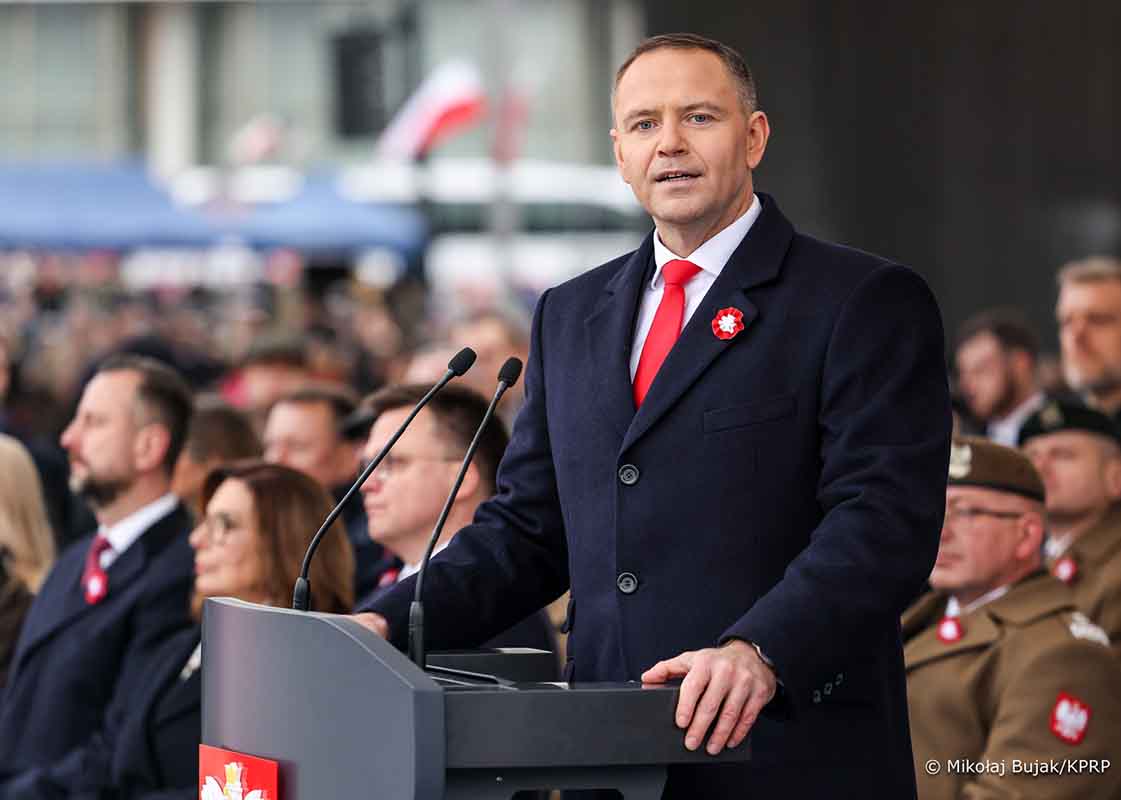
November 11th is a reminder that Polish independence was born through the efforts of many generations – at home and abroad. It is a story of memory, sacrifice, and pride, of the Tomb of the Unknown Soldier, and of the Polish diaspora, which from America to Europe, supported the rebirth of a free Poland.
Read more... Reading time 5 min.
The immune system not only defends itself but also ensures that it doesn't attack its own tissues. This year's Nobel Prize in Medicine honors the discovery of the "guardians" of this balance—T-reg cells, which could transform the treatment of autoimmunity, cancer, and transplantation.
Read more... Reading time 8 min.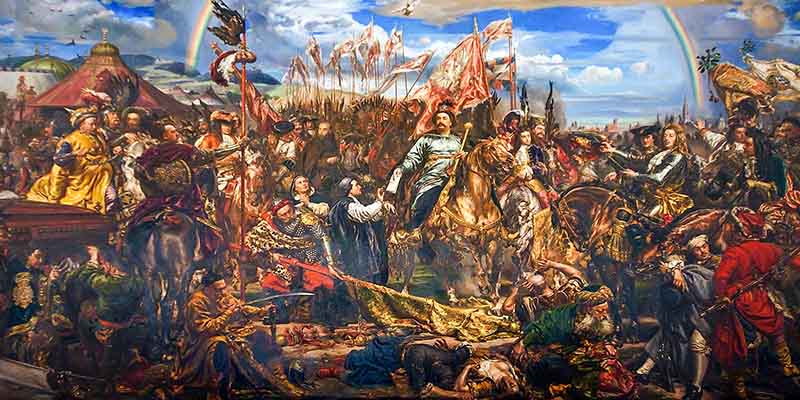
Is it really a "pity" that Sobieski saved Vienna? Professor Andrzej Nowak decisively dismisses such ahistorical fantasies and presents John III as a king who wisely defended the interests of the Polish-Lithuanian Commonwealth. The new, seventh volume of "History of Poland" reveals his true role—the last great splendor of our history.
Read more... Reading time 4 min.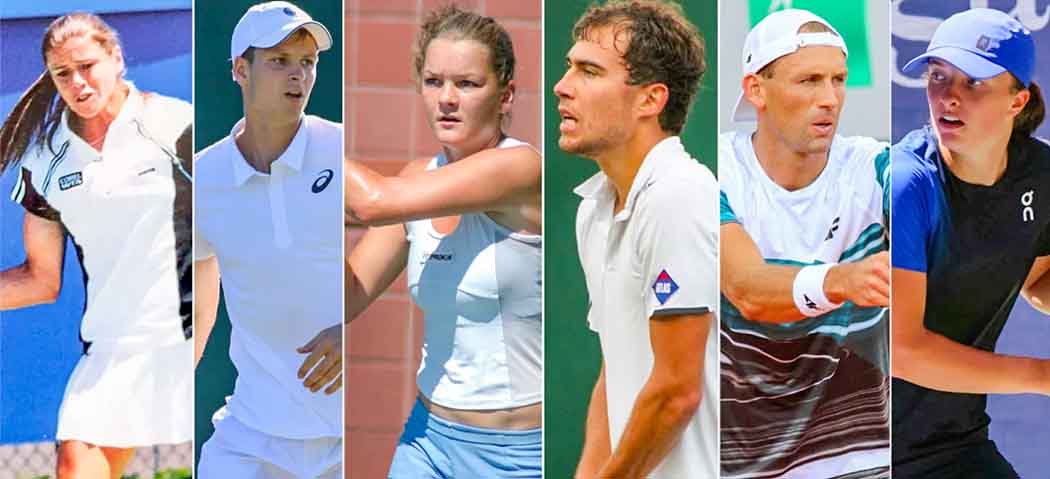
While professional tennis flourished in the West after World War II, it was unable to flourish in Poland at all. In communist countries, professional sports were banned for ideological reasons. Tennis, even at amateur level, was marginalized and underfunded until the late 1980s.
Read more... Reading time 9 min.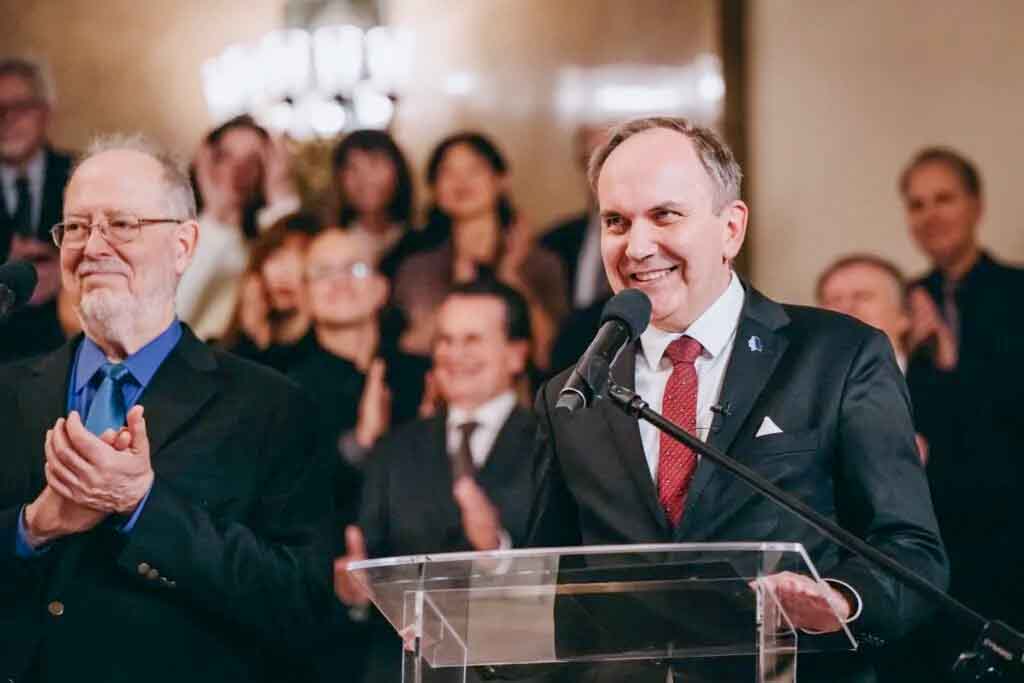
The fact that 2025 million people participated so actively in the Chopin Competition testifies to the true integration of classical music into the mainstream of our lives and our values. Chopin himself would have been both moved and humbled by this.
Read more... Reading time 4 min.
It seems as if Poles were satisfied with a mute Piłsudski, cast in bronze and placed in the main squares of their cities, and not as one of the key figures in their 20th-century history who still has something important to tell them.
Read more... Reading time 5 min.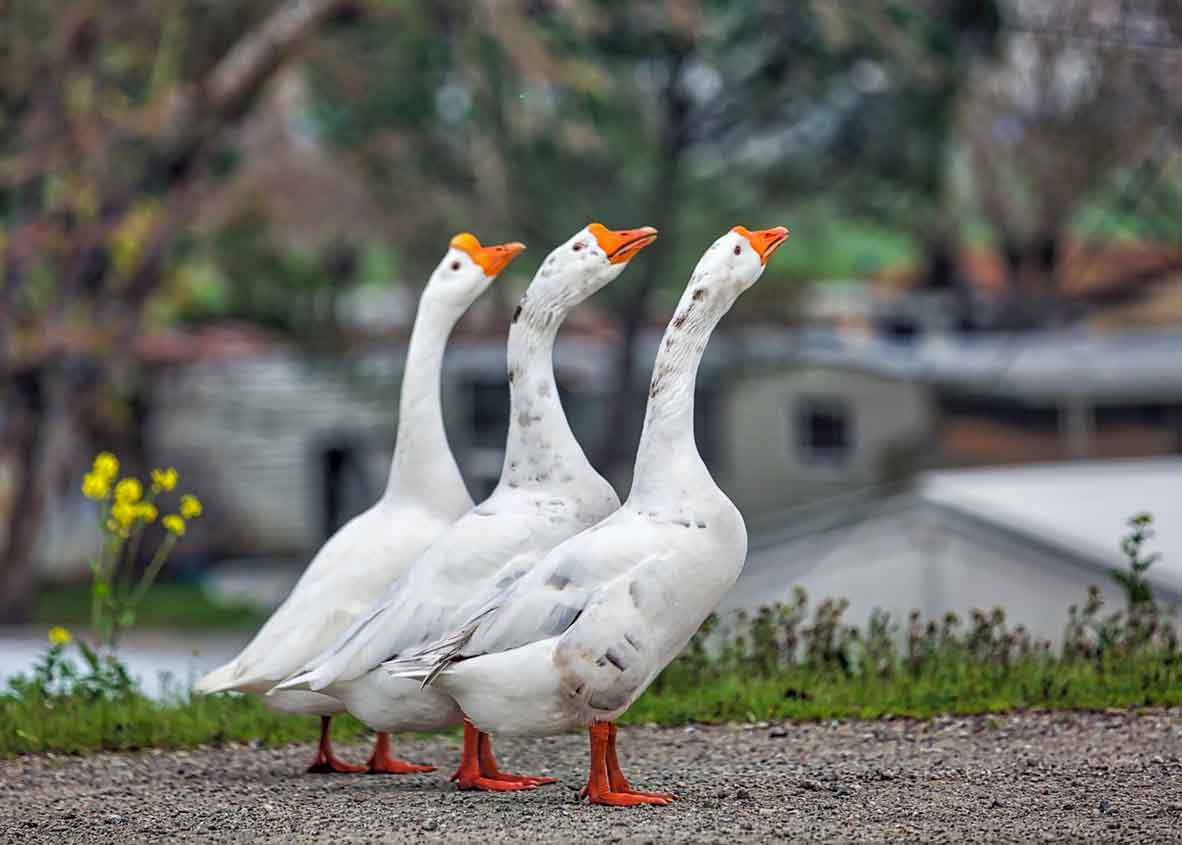
"Goose is best on Saint Martin's Day," goes the folk saying. But where did this custom, which is returning to our tables today, come from?
Read more... Reading time 5 min.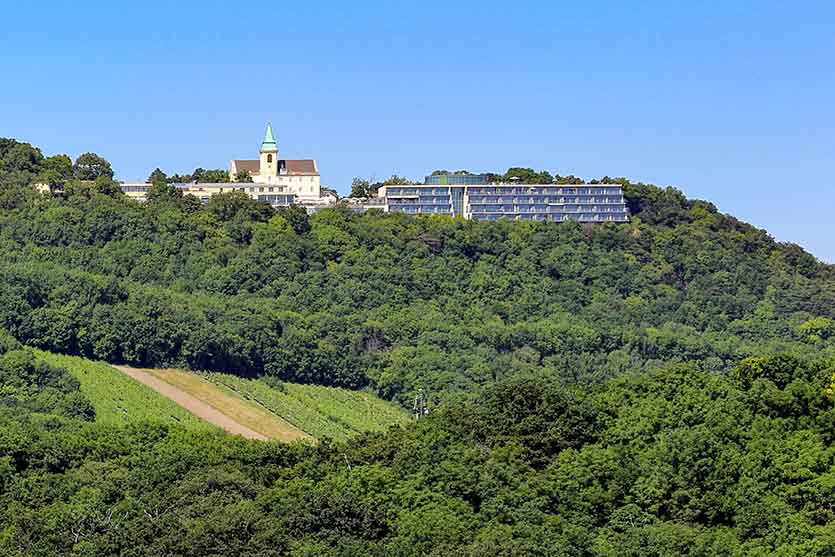
On the 342nd anniversary of the victorious Relief of Vienna, we received a lecture from Father Roman Krekora CR, Rector of the Polish National Sanctuary on Kahlenberg in Vienna. It was from this site that King John III Sobieski set out on September 12, 1683, to lead the Allied forces to the victorious Battle of Vienna.
Read more... Reading time 7 min.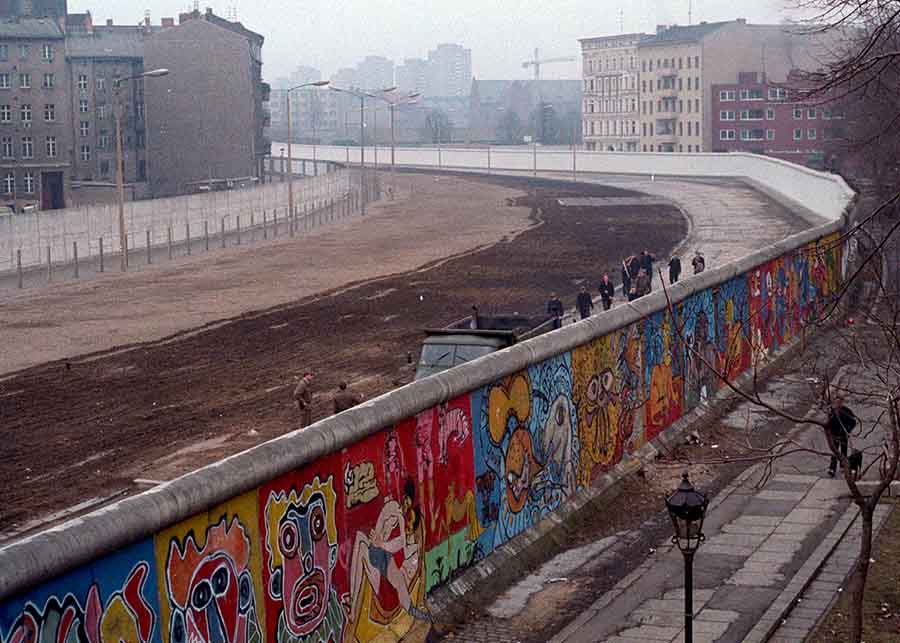
On November 9, 1989, the wall that had divided the world for nearly three decades collapsed. No one imagined that an era would end that evening. Behind that moment, however, lay years of Polish courage, work, and faith in freedom—from Gdańsk to Berlin.
Read more... Reading time 10 min.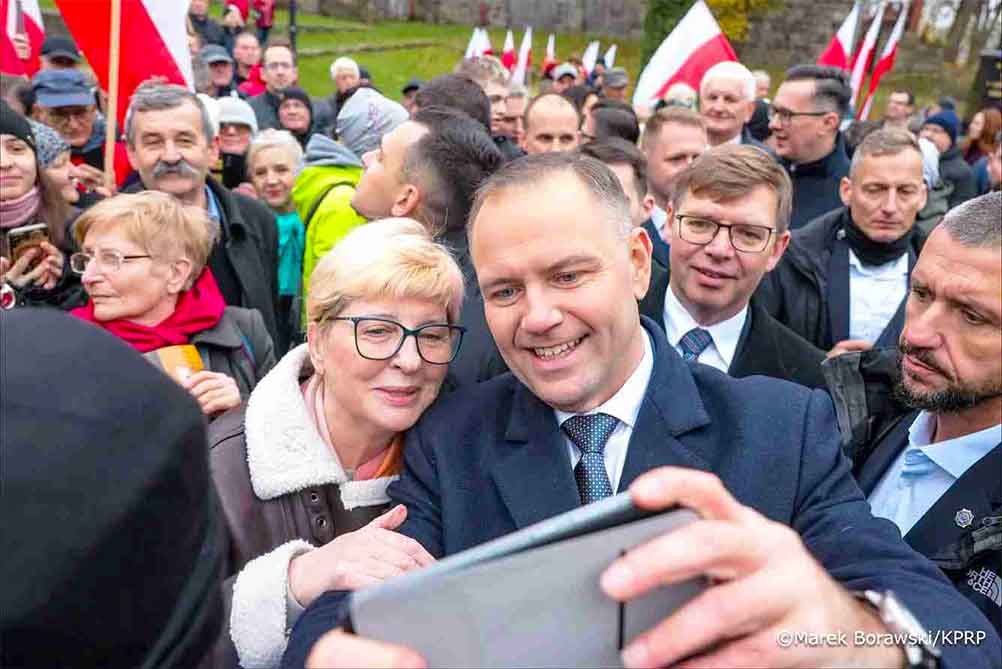
Throughout the 19th and 20th centuries, Poland was truly independent for just over 30 years. The freedom we enjoy today is a greater responsibility for us.
Read more... Reading time 6 min.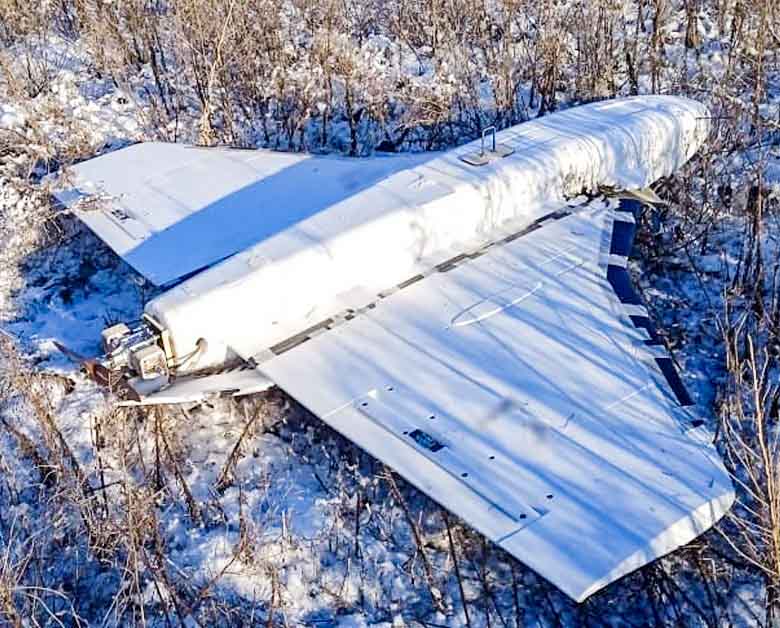
The September raid by over twenty enemy drones on Poland's eastern border revealed how easily inexpensive drones can test the resilience of NATO countries. The incident sparked political tension, media chaos, and prompted the construction of a Polish "drone wall."
Read more... Reading time 13 min.
Today, the Polish diaspora numbers over 20 million people – Poland's "hidden power" beyond its borders. A European diaspora, among the best educated, possessing the capital of the Issuer, labels, and politics. Although available, it remains untapped.
Read more... Reading time 11 min.