


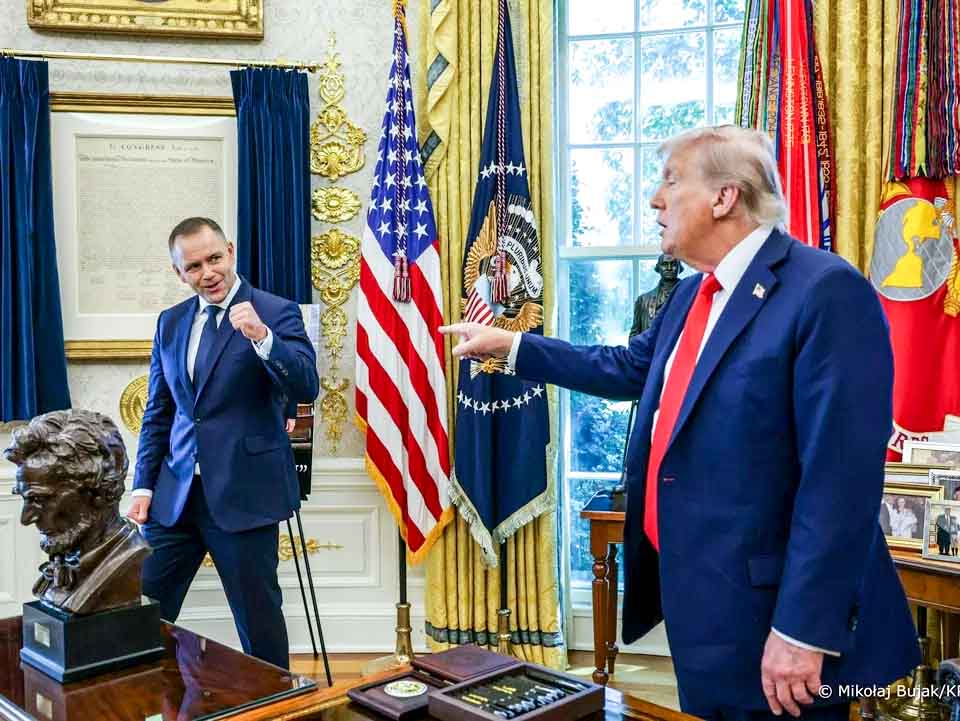
The new socio-political arrangement, with President Karol Nawrocki as its architect, will likely be based on a broad coalition of parties, persuasions, and groups. This project presents a unique opportunity: the genuine inclusion of the Polish diaspora in the country's public life.
Read more... Reading time 14 min.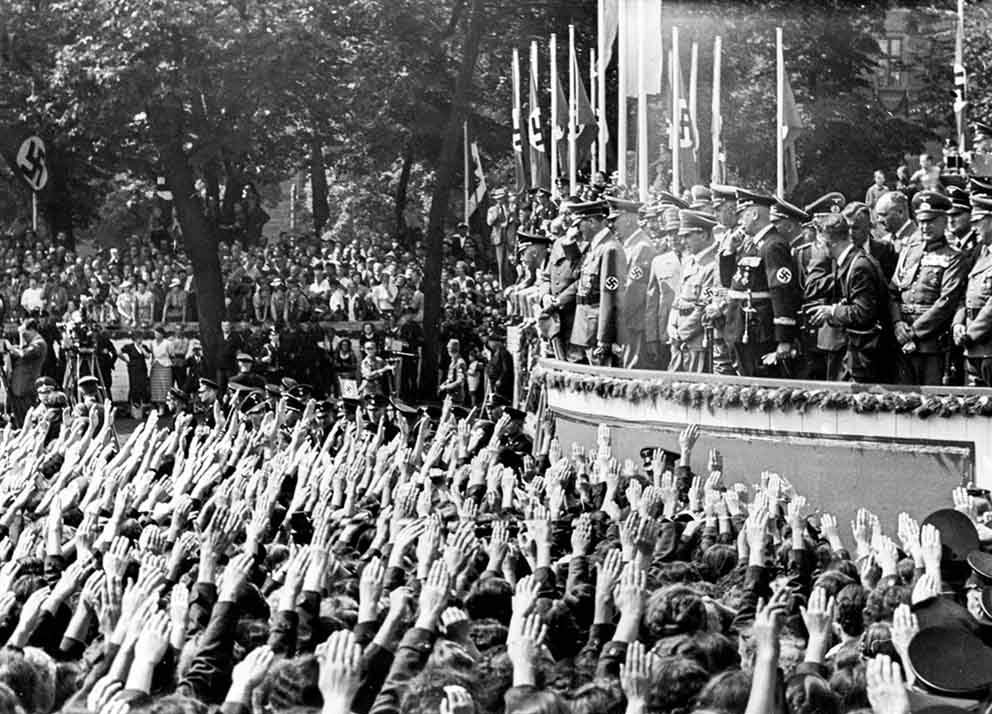
Poles in pre-war Wrocław, then called Breslau, had a difficult life. Radical racist and nationalist views spread rapidly among the local Germans, leading to the persecution of all non-German social groups. Admitting one's Polishness was an act of great courage.
Read more... Reading time 4 min.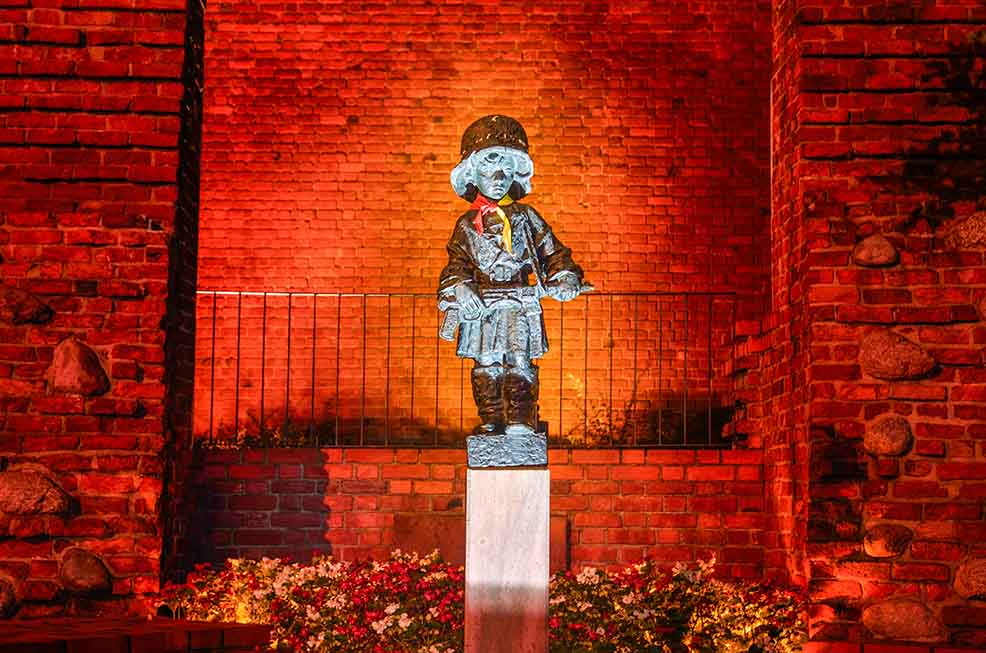
The Little Insurrectionist Monument in Warsaw's Old Town is not only a symbol of remembrance for the youngest participants of the Warsaw Uprising, but also the extraordinary story of the sculpture itself, its creator, and the scouts who led to its creation.
Read more... Reading time 4 min.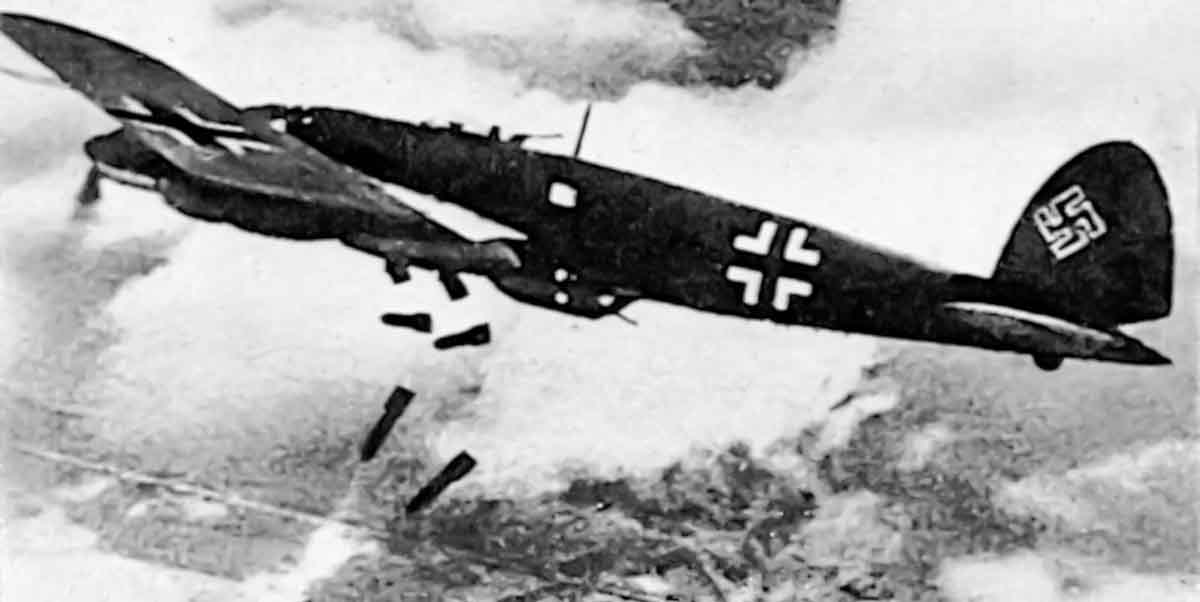
Poland was doomed to confrontation with the Third Reich and the Soviet Union – a consequence of the policies of the great powers and the balance of power in Europe. It could only slightly hasten or delay this moment. However, in no way could it avoid tragedy.
Read more... Reading time 5 min.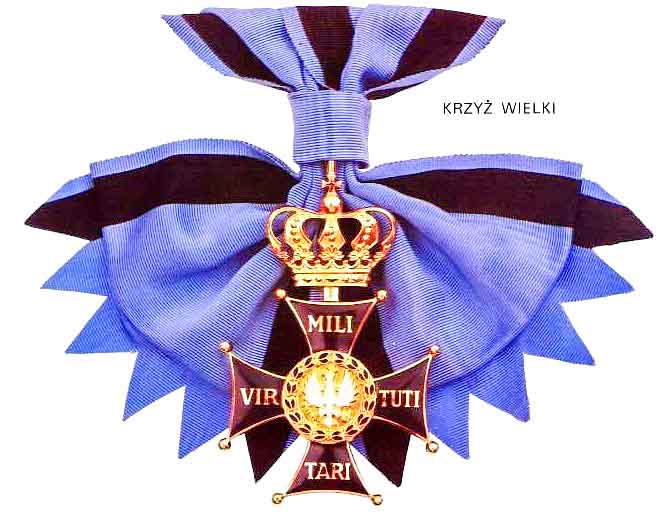
On June 22, 1792, King Stanisław August Poniatowski established a new decoration – the Virtuti Militari Order. The order could only be awarded for military merits during the war, or no later than five years after one ends.
Read more... Reading time 4 min.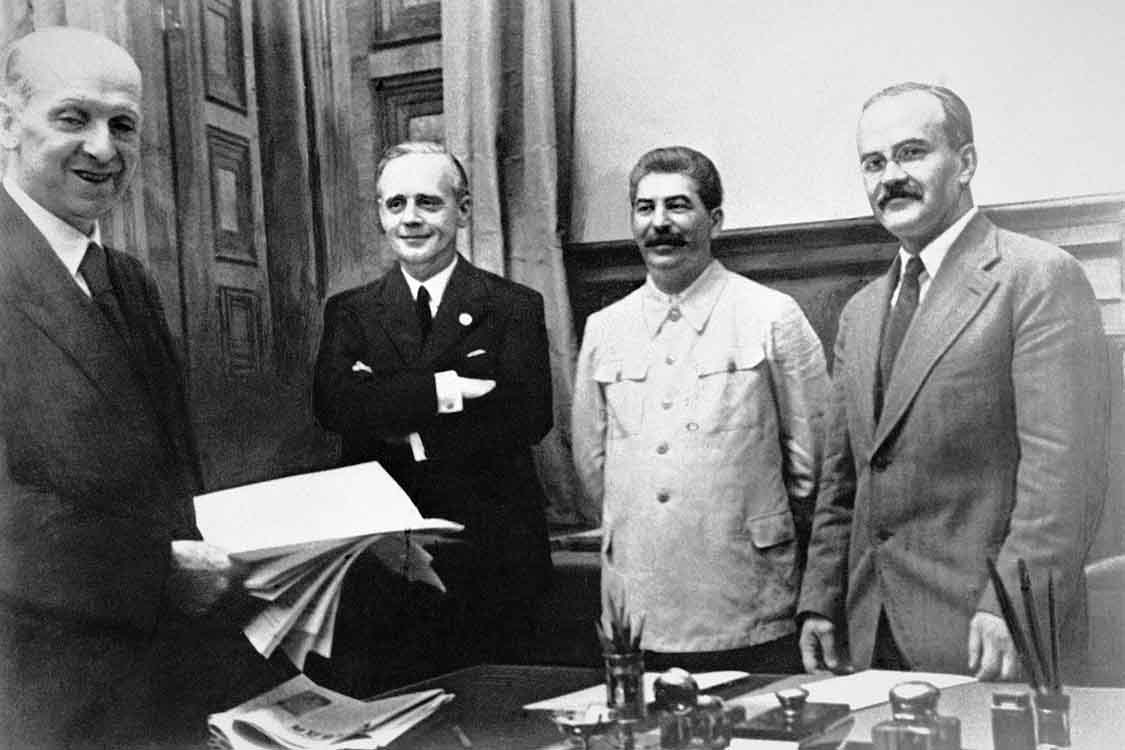
The Iron Curtain that separated the Western and Eastern worlds after World War II was the "adopted daughter" of the Stalin-Hitler agreement of August 1939.
Read more... Reading time 5 min.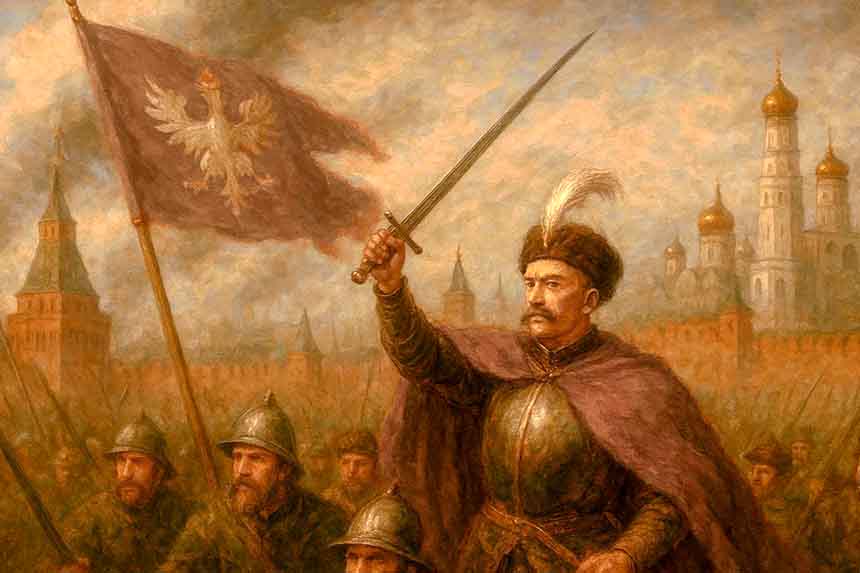
On September 29, 1610, Polish-Lithuanian Commonwealth troops under the command of Hetman Stanisław Żółkiewski entered Moscow. By October 9, a Polish-Lithuanian garrison occupied the Kremlin. How did this happen, and why wasn't Russia ultimately conquered?
Read more... Reading time 5 min.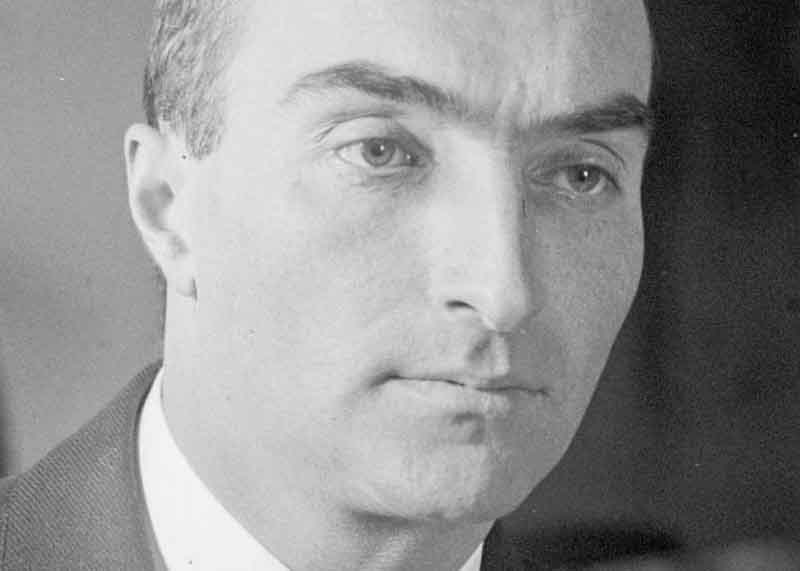
The statement of Jan Ciechanowski, Ambassador of Poland, dated July 5, 1945, on his resignation as a result of the withdrawal of recognition of the Constitutional Government of Poland by the United States.
Read more... Reading time 7 min.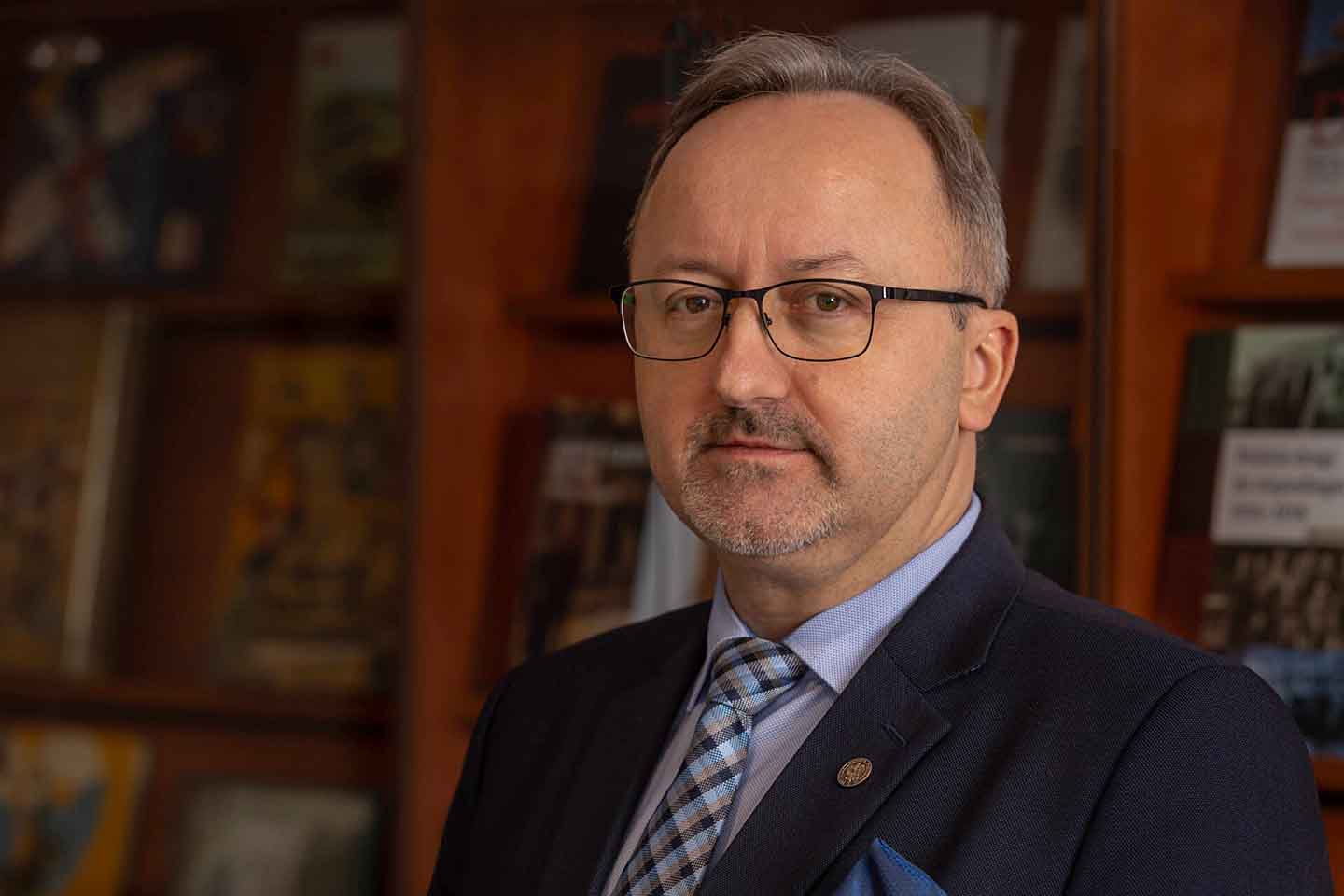
Rather, it is an obligation arising from identity, beliefs and readiness to act – regardless of where one lives.
Read more... Reading time 15 min.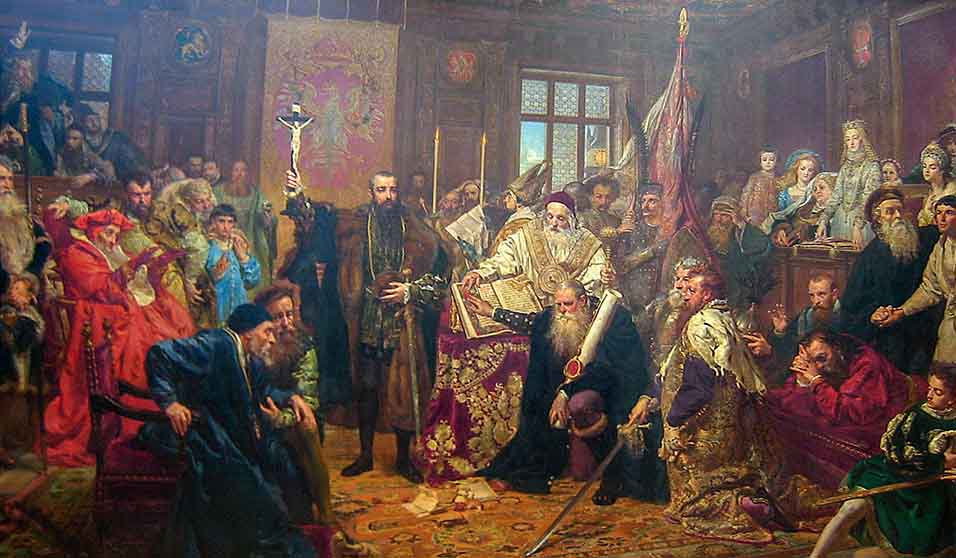
On July 1, 1569, the historic act of the Union of Lublin was signed, a document sanctioning a real union between the Kingdom of Poland and the Grand Duchy of Lithuania.
Read more... Reading time 3 min.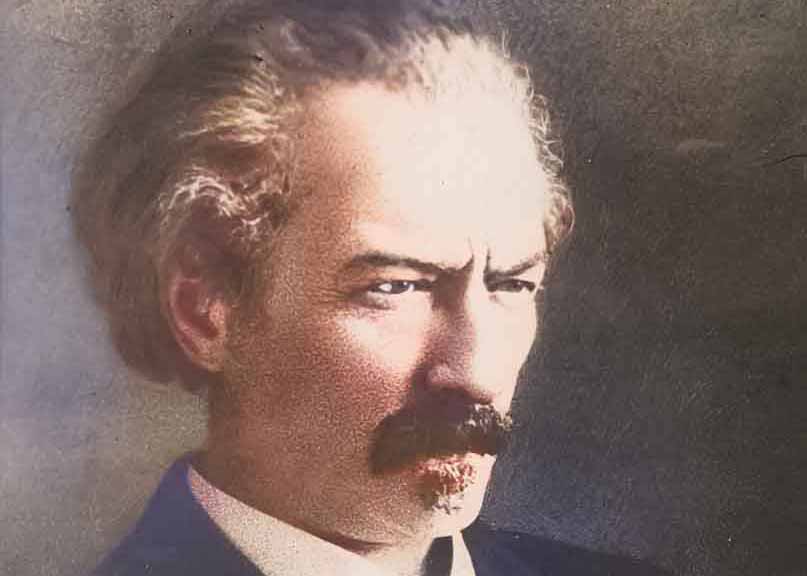
Ignacy Jan Paderewski was an outstanding pianist and composer, a passionate patriot and statesman, a philanthropist and social activist. His involvement in the Polish cause was absolutely selfless. He has permanently inscribed himself among the people who made the greatest contribution to Poland's regaining of independence.
Read more... Reading time 10 min.Wojciech Materski
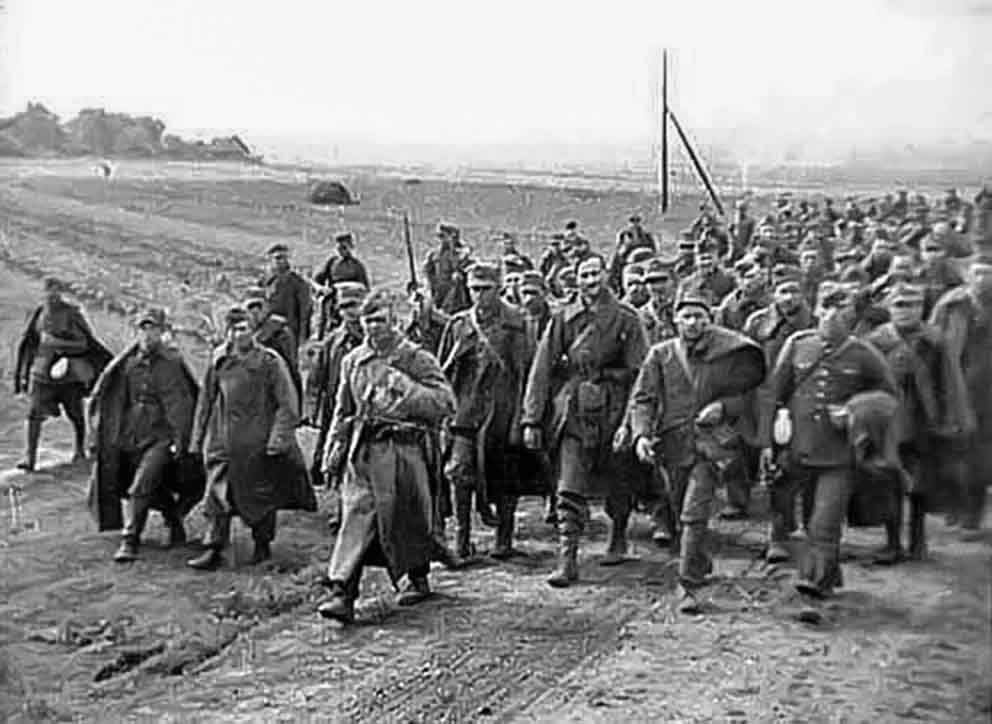
Although Russia has officially acknowledged the perpetration of the Katyn massacre, this truth is virtually absent from Russian historiography today. For it does not fit into the myth of the great victory of the war, any more than the Hitler-Stalin pact of 1939, the mass deportations, the enslavement of the Baltic republics, or the colossal scale of the Red Army's marauding in the final phase of the Second World War.
Read more...